On this page
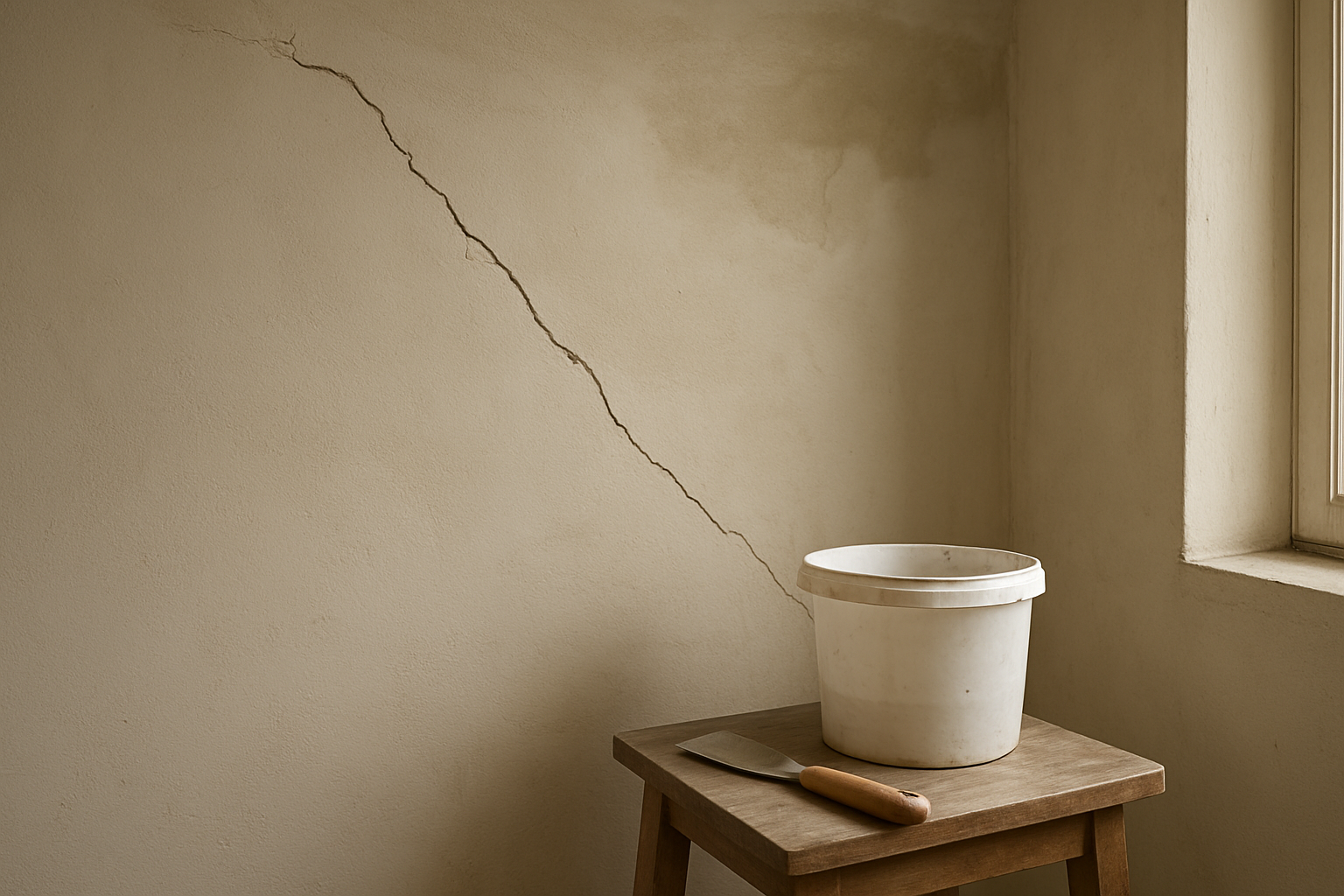
Every monsoon, the same story repeats in many Indian homes: a crack is patched with cement paste, painted over, and a few months later the damp patch is back. Good wall crack repair is not just about hiding a line on the wall. It is about understanding why the crack formed, filling it with the right material, helping that material grip the old surface, and then protecting the area from water. Let us go through the most common myths and what actually works.
Myth 1: Any cement paste will do for wall crack repair
The fact: Plain cement and water shrinks as it dries and has little ability to follow the small movements that walls go through with heat, cold and moisture. That is why a thin cement patch often develops a hairline gap along its edges, and water simply finds its way back in.
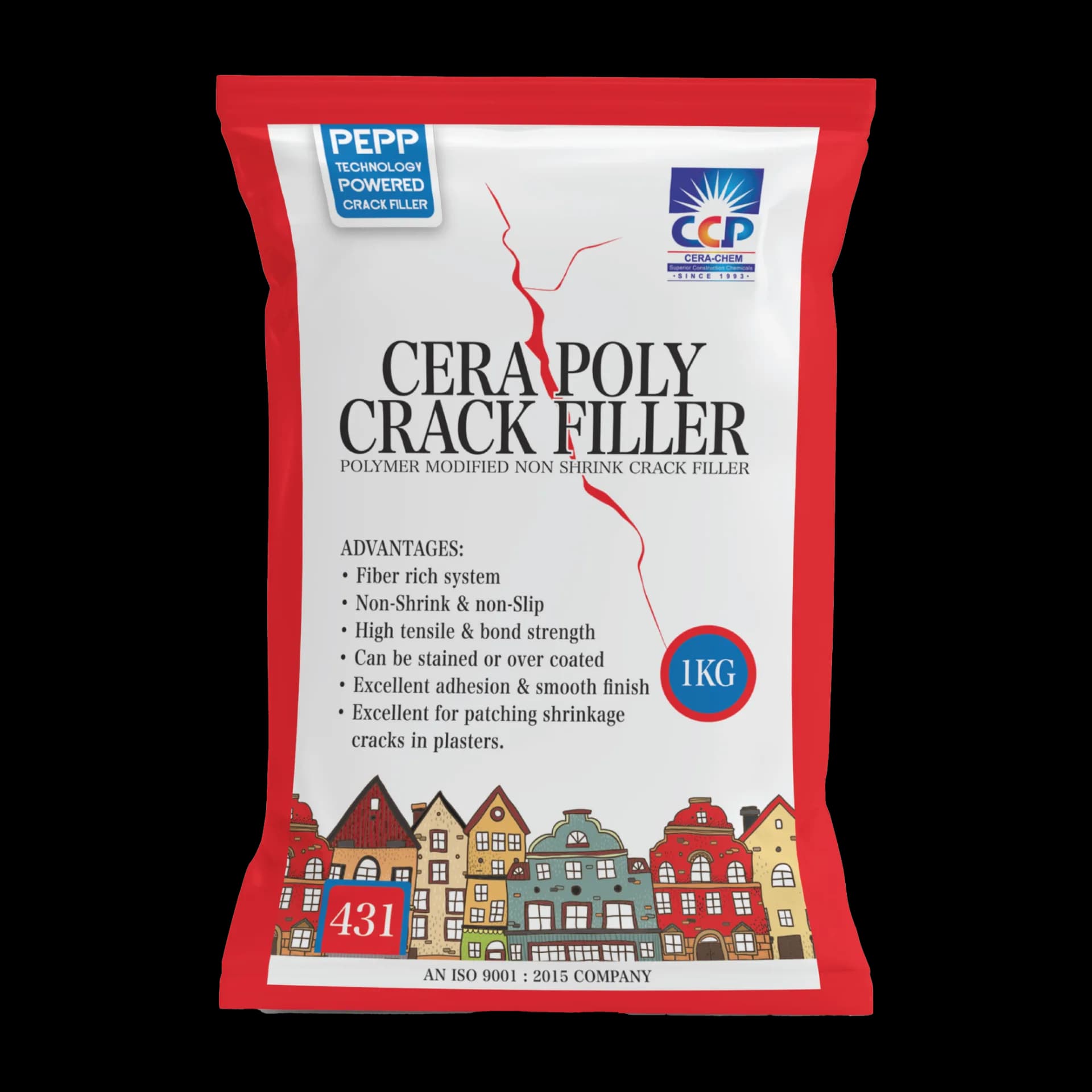
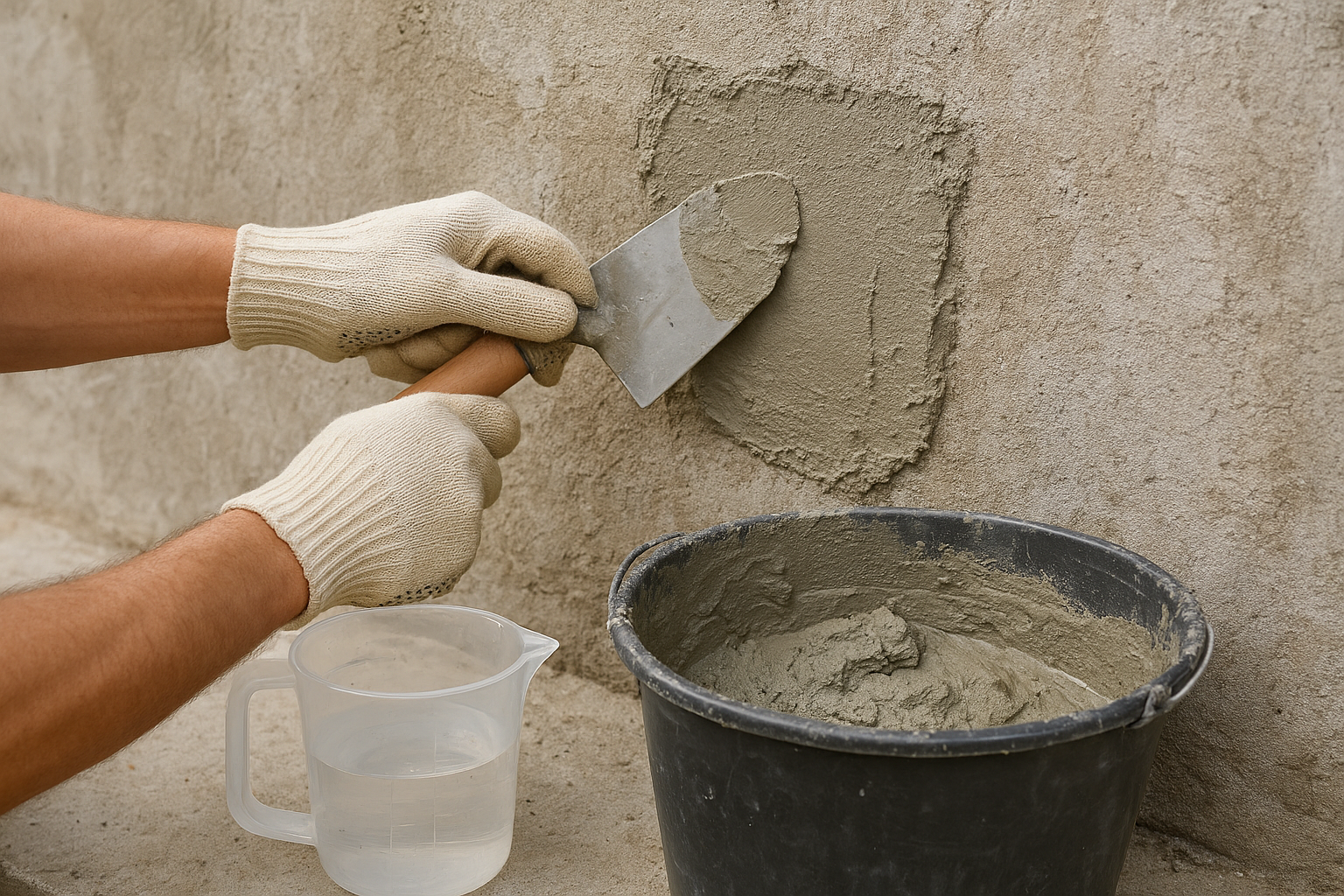
A purpose-made crack filler for walls is designed for this job. Products in the crack filler category, such as 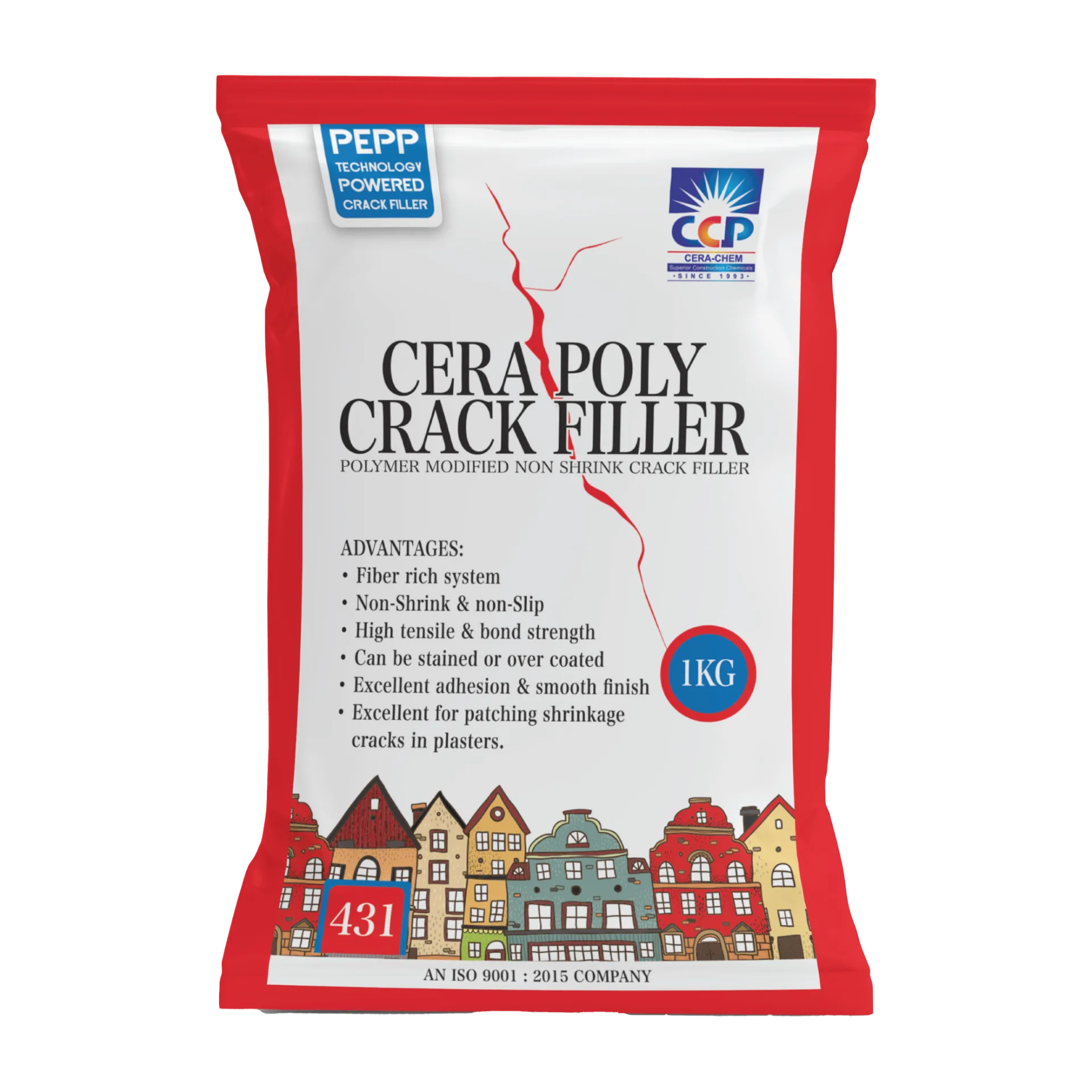 Cera Polycrack FillerCrack Filler₹100.00View product, are made specifically for filling cracks, which is a different job from smearing cement over them. Always read the product data sheet for surface preparation, application method and curing instructions rather than relying on guesswork.
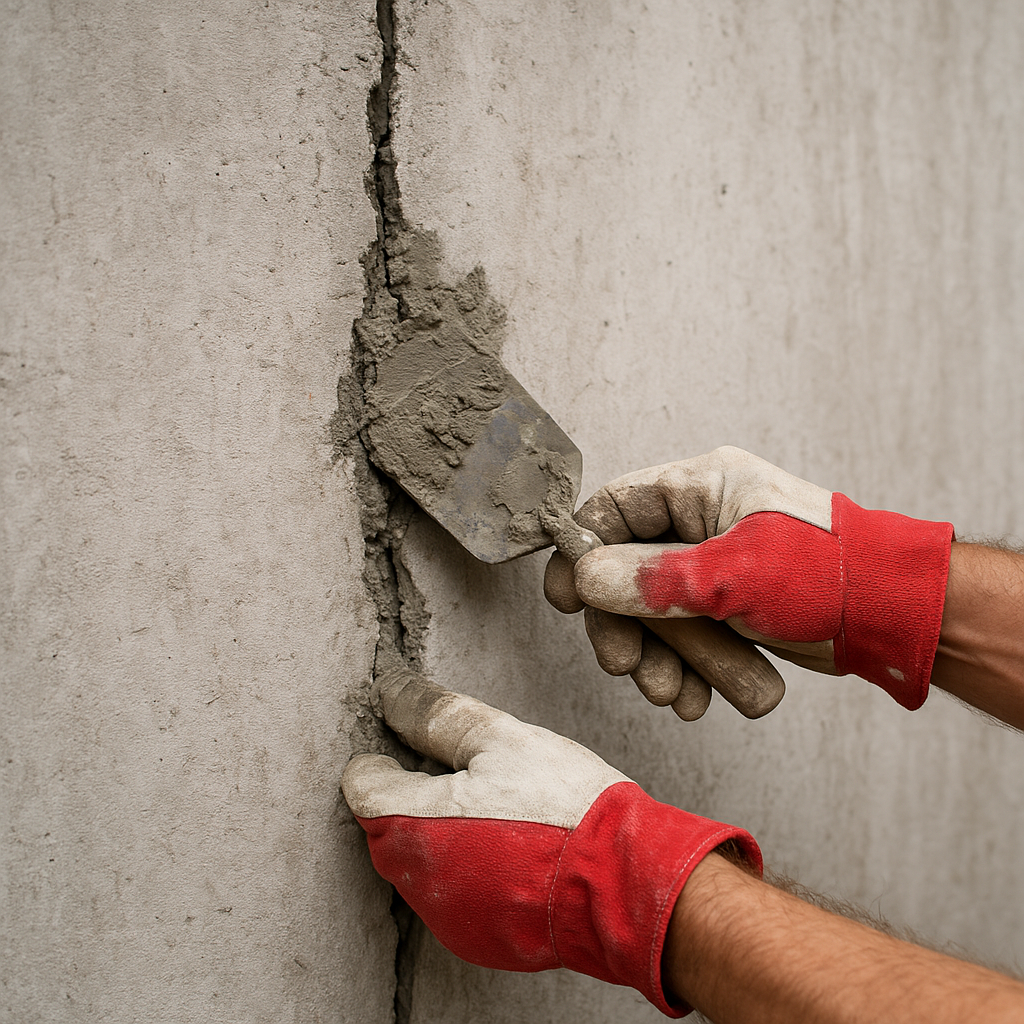
Also remember that the crack needs to be opened up slightly and cleaned before filling. Loose plaster, dust and old paint are the enemies of any repair material.
Myth 2: If the crack is filled, the bonding does not matter
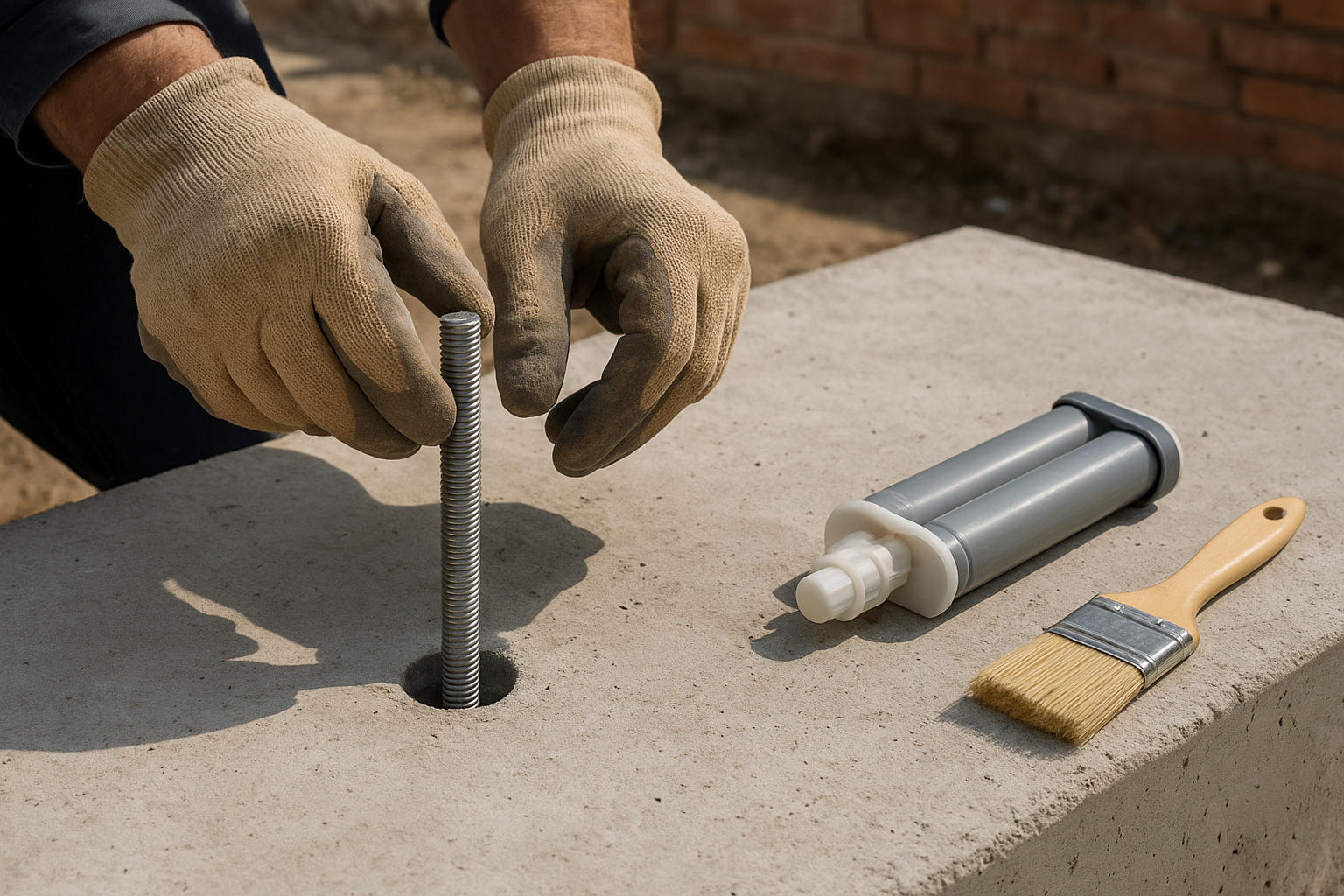
The fact: A repair is only as good as its grip on the old surface. Old concrete and plaster are dry, dusty and sometimes smooth, so fresh material can peel or separate at the joint. This is where a bonding agent for concrete comes in. It acts as a bridge between the old substrate and the new repair layer.
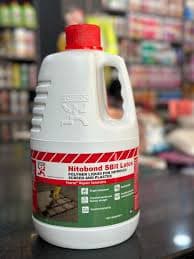
An SBR bonding agent such as 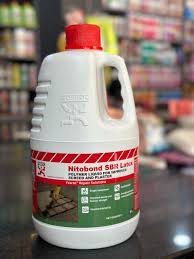 Nitobond SBRSBR Bonding Agent₹650.00View product, which is listed in the SBR bonding agent category, is commonly used for this purpose. SBR stands for styrene butadiene rubber, a polymer latex that is used to improve adhesion in cement-based repairs. Check the data sheet of the specific product for how it should be used, because dilution and application rules differ between products.
- Clean the surface first; a bonding agent cannot work through dust or oil.
- Apply the bonding agent as directed, then place the repair material within the time window given on the data sheet.
- Do not skip this step on large patches or deeper repairs, where separation is most likely.
Myth 3: Cracks come back because the repair material was weak
The fact: When people ask why do wall cracks reappear, the cause is often not the filler itself. Some common reasons are:
- The cause was never addressed. Cracks from thermal movement, settlement, a leaking pipe or rusting steel will often reopen if only the surface is patched.
- Poor preparation. Filling over dust, loose material or damp plaster weakens the bond.
- Wrong material for the job. A rigid patch on a crack that keeps moving will crack again next to it.
- No protection afterwards. Even a well-filled crack can let water in through the surrounding porous surface.
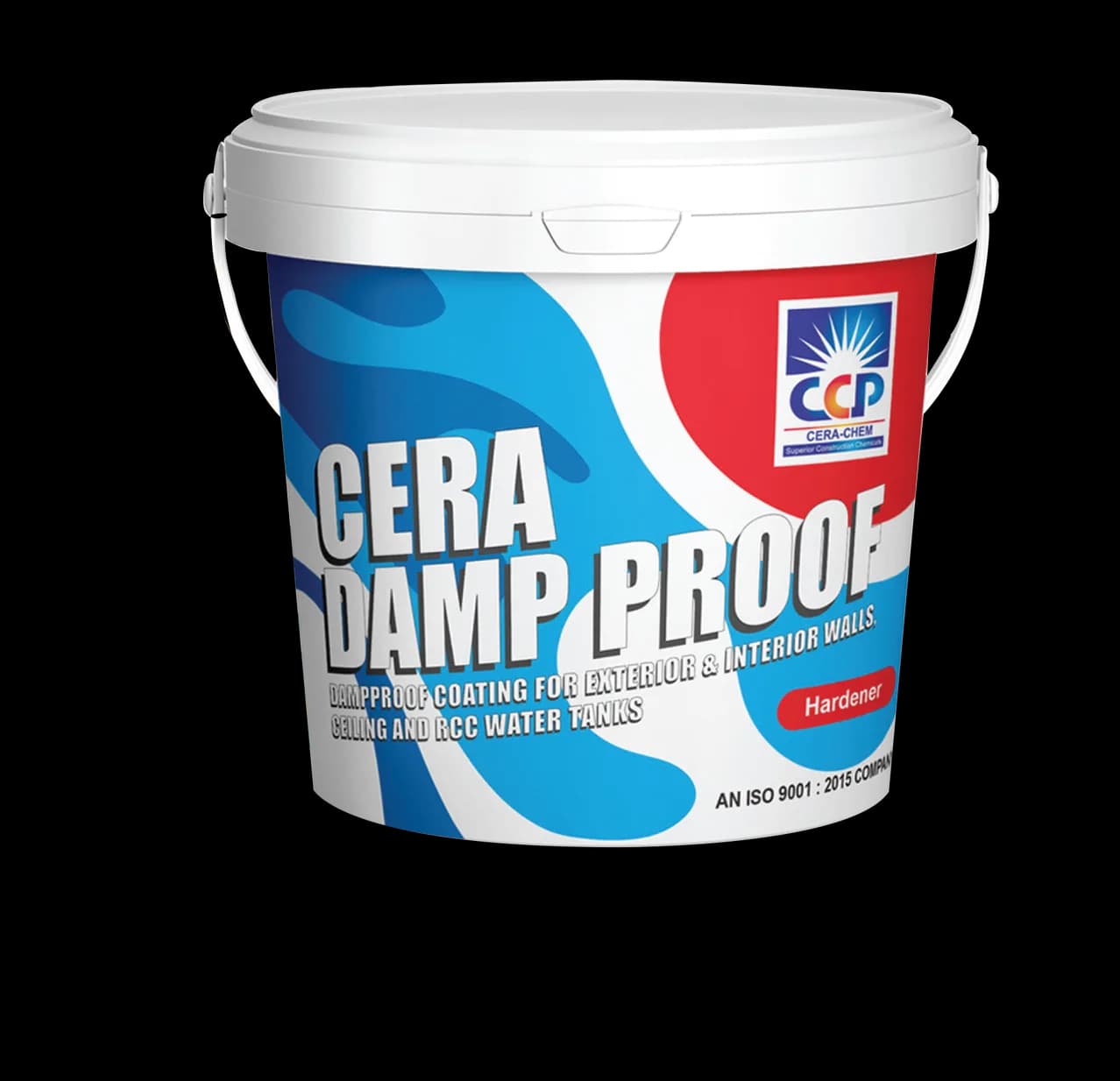
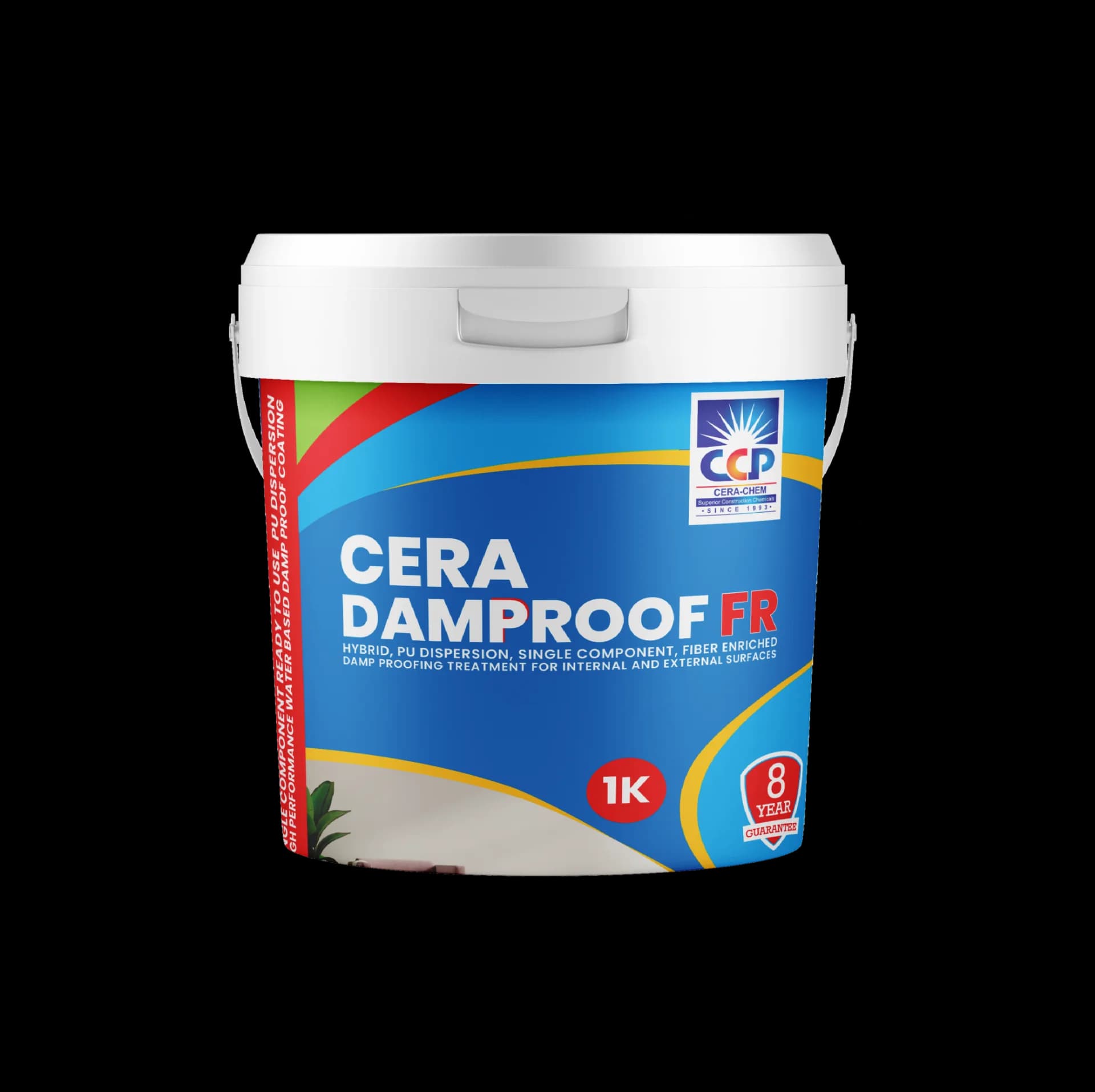
For larger damaged or broken-off areas, a repair mortar is usually more suitable than a simple crack filler. Products such as 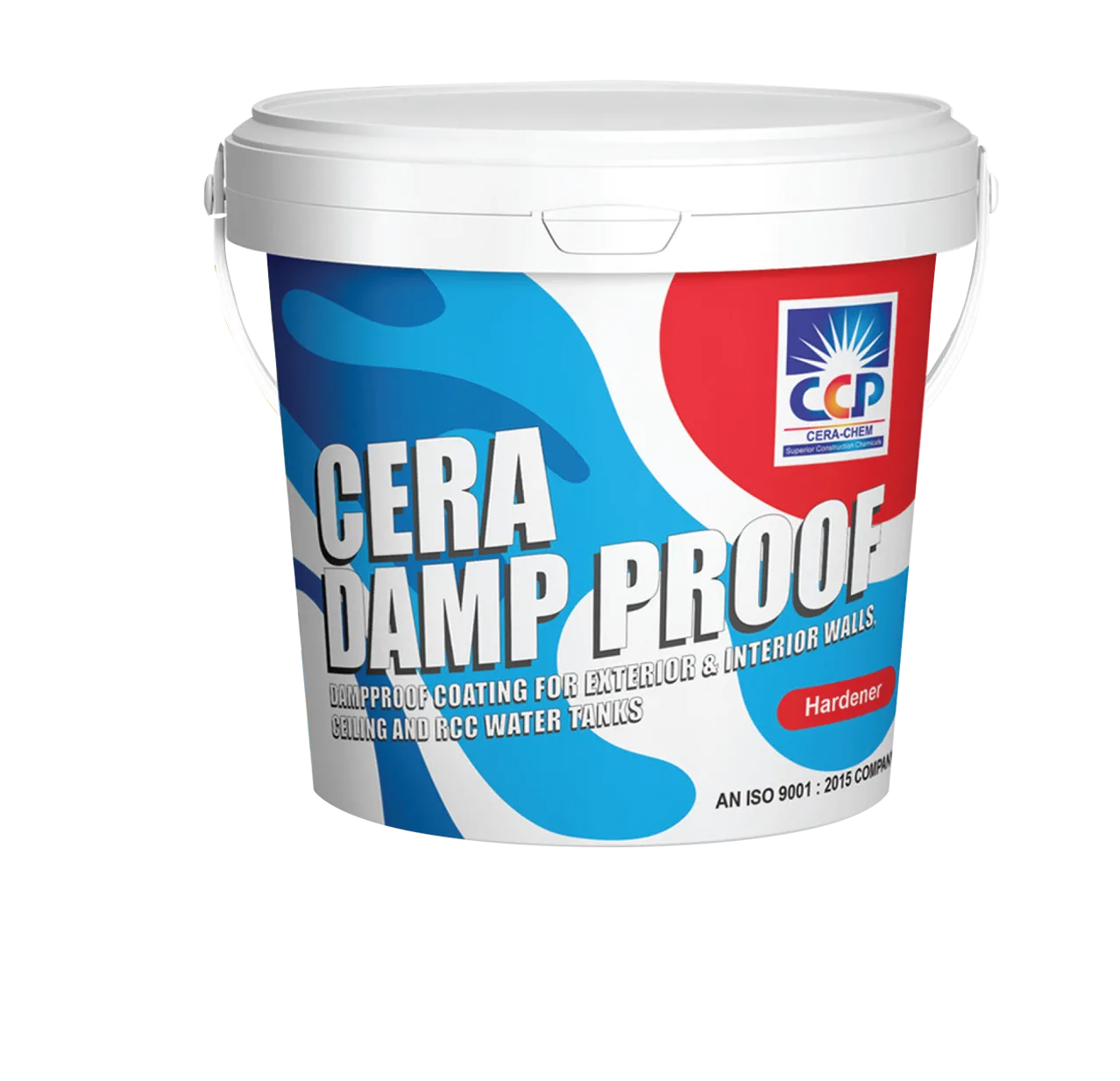 Cera Damproof 1KGCRACK FILLERS & REPAIR MORTARS₹700.00View product sit in the crack fillers and repair mortars category, so they are worth reviewing when the damage is more than a thin line. If cracks are wide, keep widening, or show signs of structural distress, have a qualified civil engineer inspect the building before any cosmetic repair.
Myth 4: A crack repair alone is a complete roof leakage solution
The fact: On terraces and roofs, filling visible cracks is only one part of the job. Water enters through the whole surface, joints, pipe penetrations and skirting edges, not just through the cracks you can see. A reliable roof leakage solution treats cracks first and then waterproofs the entire surface.
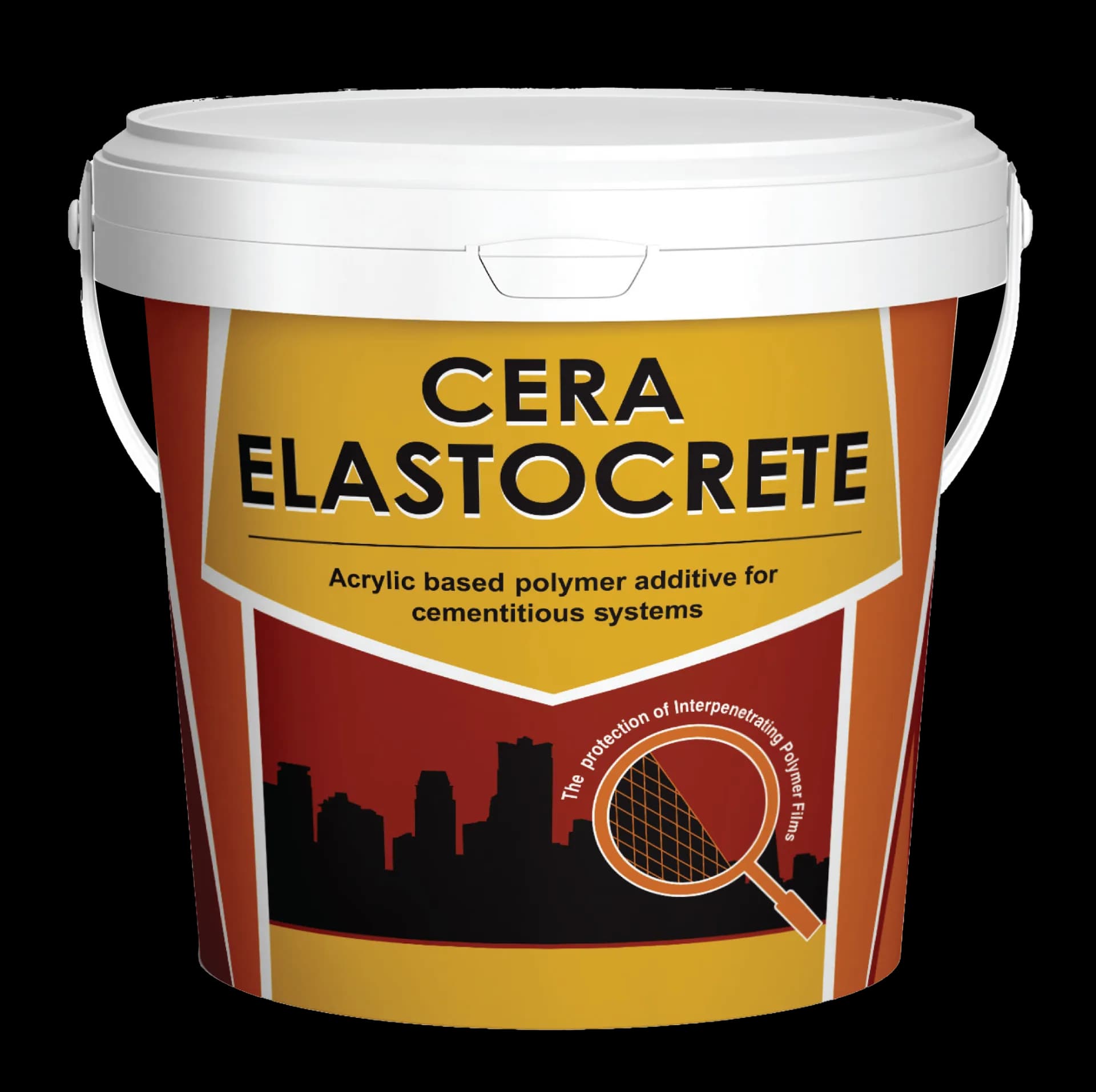
A cementitious waterproofing coating is one of the commonly used systems for this second step. 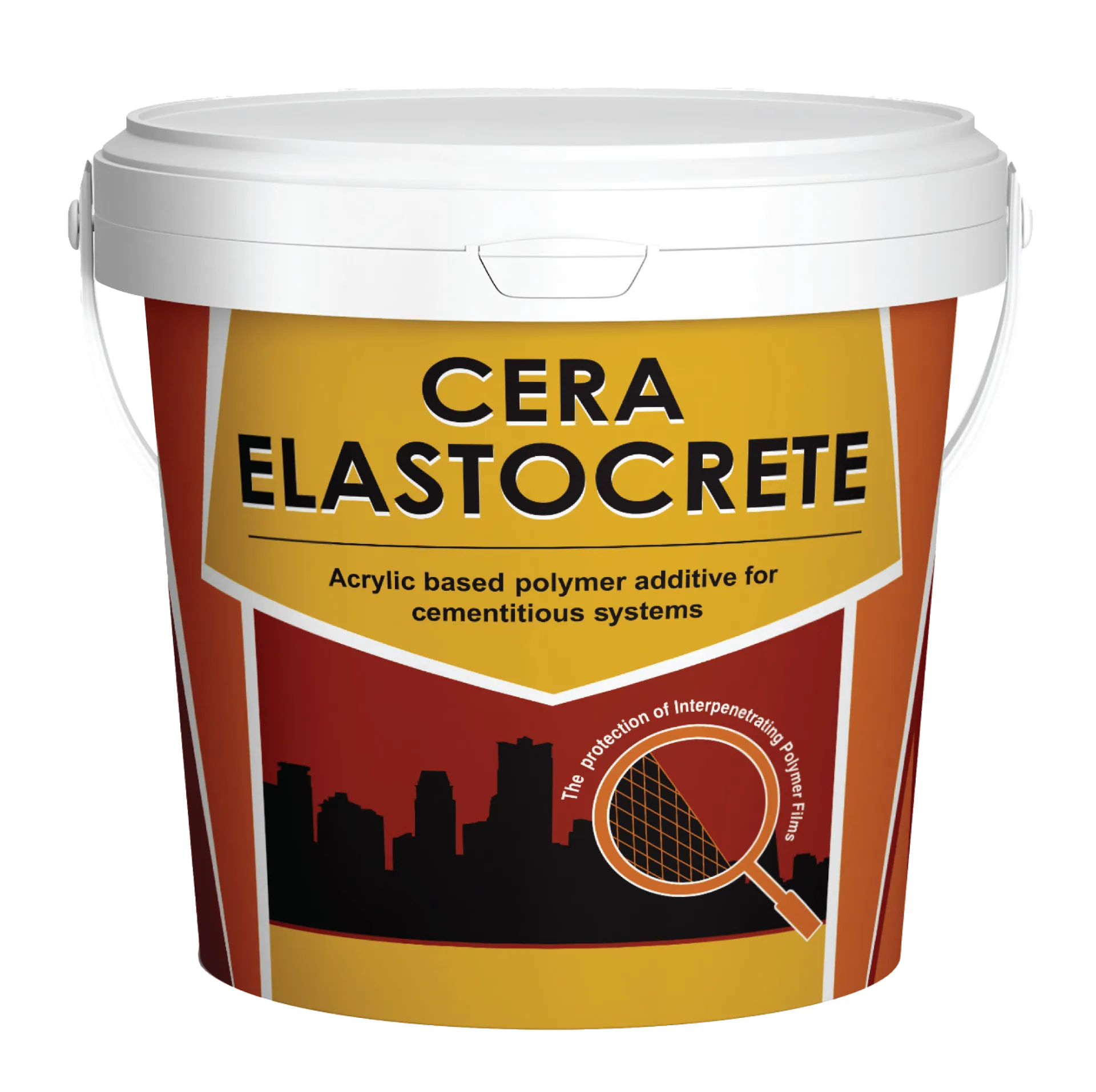 Cera ElastocreteCEMENTITIOUS WATERPROOFING₹550.00View product is listed under cementitious waterproofing, and it is the kind of product that is applied as a coating over a prepared surface after repairs are done. Coverage, number of coats and curing need to follow its official data sheet.
Here is how the pieces fit together:
| Stage | Purpose |
|---|---|
| Crack opening and cleaning | Creates a sound base for the repair material |
| Bonding agent | Helps new material grip the old surface |
| Crack filler or repair mortar | Restores the damaged area |
| Waterproofing coat | Protects the whole surface from water entry |
Practical tips for longer-lasting wall crack repair
- Find the cause first. Look for leaking pipes, blocked drains, rusting reinforcement and moving joints before you pick a product.
- Prepare properly. Remove loose material, brush out dust and clean the crack. Dampen or dry the surface only as the data sheet says.
- Use the right material for the size. Thin cracks, wide cracks and broken patches each need different materials.
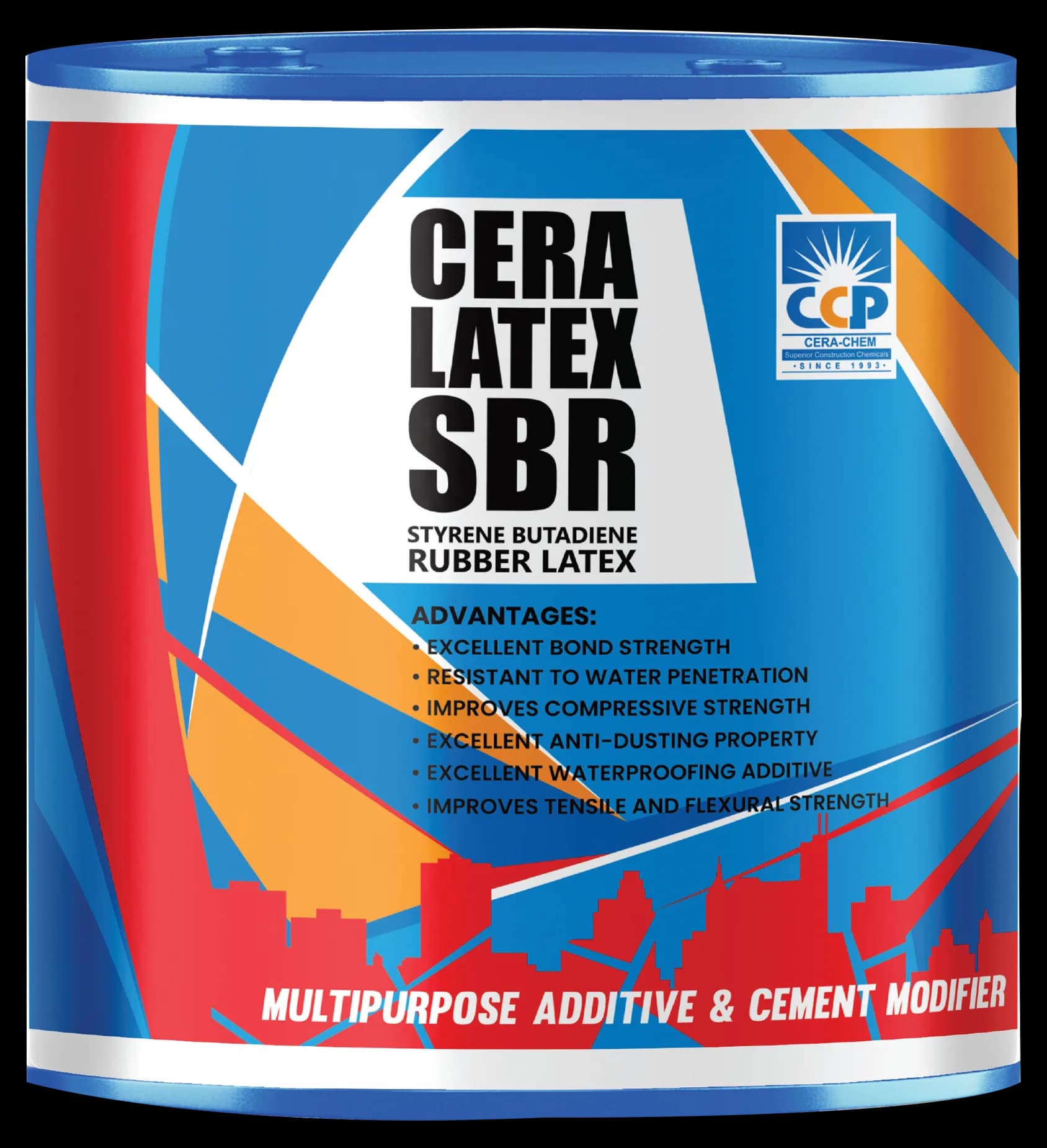
- Consider polymer modification where recommended. SBR latex, such as
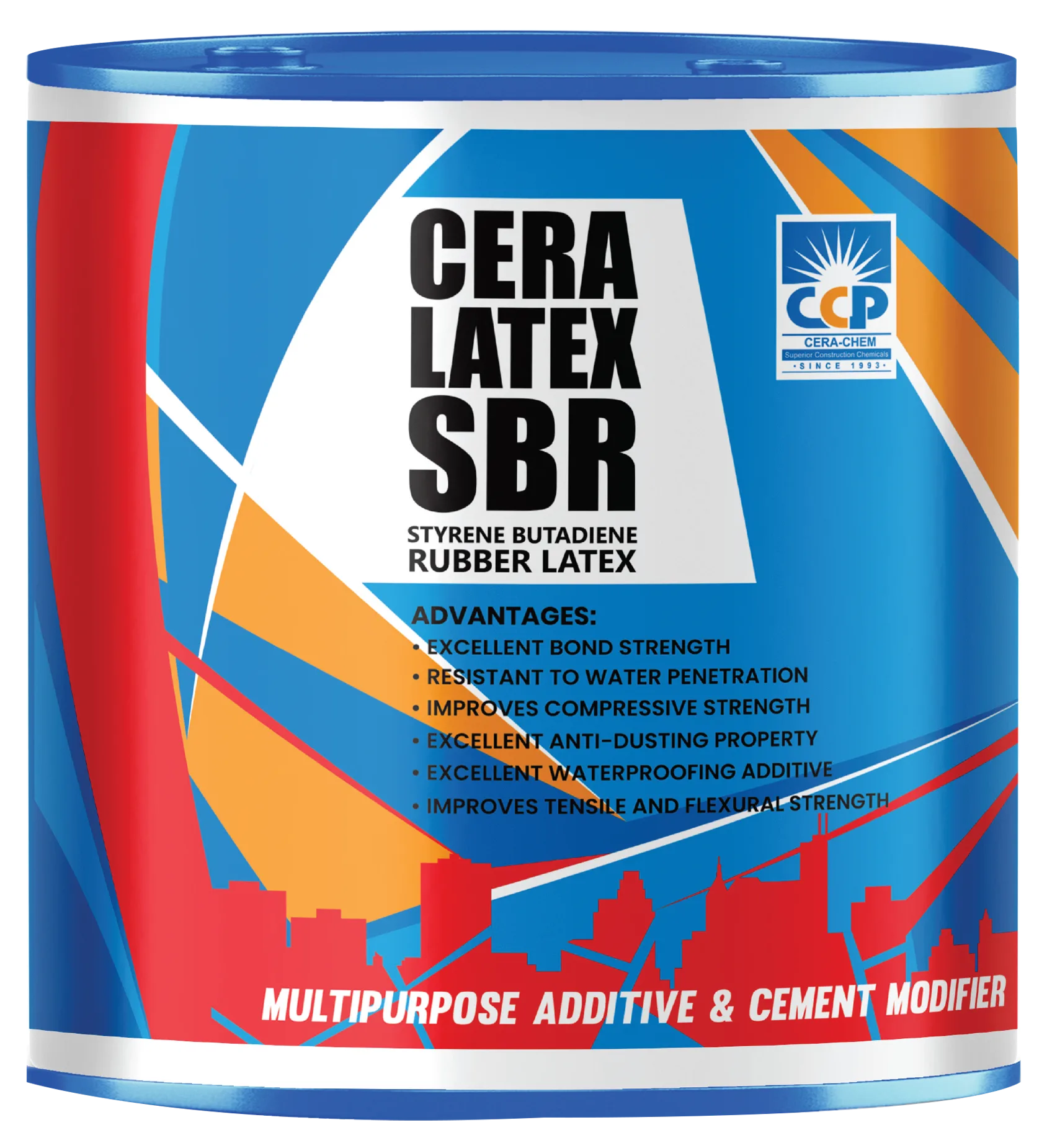 Cera Latex SBRSBR Latex₹600.00View product from the SBR latex category, is used to modify cement-based mixes for better adhesion and flexibility. Follow the data sheet for how to use it, and never guess the proportions.
- Cure the repair. Rapid drying in the Indian summer can weaken a repair, so follow the curing guidance given for the product.
- Protect the surface. Waterproofing or a protective coating over repaired areas reduces the chance of the same spot failing again.
- Follow safety instructions. Read the safety data sheet of every chemical product and use suitable protective gear.
Conclusion
Leaks come back mostly because repairs treat the symptom and not the system. Cement paste alone is a quick patch, not a lasting fix. Proper wall crack repair means finding the cause, preparing the surface, using a suitable crack filler or repair mortar, improving the bond, and then waterproofing the area. Match each product to its job, follow the official data sheets, and bring in an engineer when cracks look serious. A little extra care in each step is what keeps your walls and terrace dry through the next monsoon.