On this page
Sooner or later, almost every project needs something fixed firmly into concrete or masonry: a base plate bolt, a railing post, a machine foundation bolt or a rebar added to an existing structure. An epoxy anchor adhesive is one of the most common ways to do this without relying only on mechanical expansion. This guide explains in plain language what it is, where it works, how the work is usually carried out on site, and why the product data sheet and a qualified engineer's specification should always lead the job.
What Is an Epoxy Anchor Adhesive and How Does It Work?
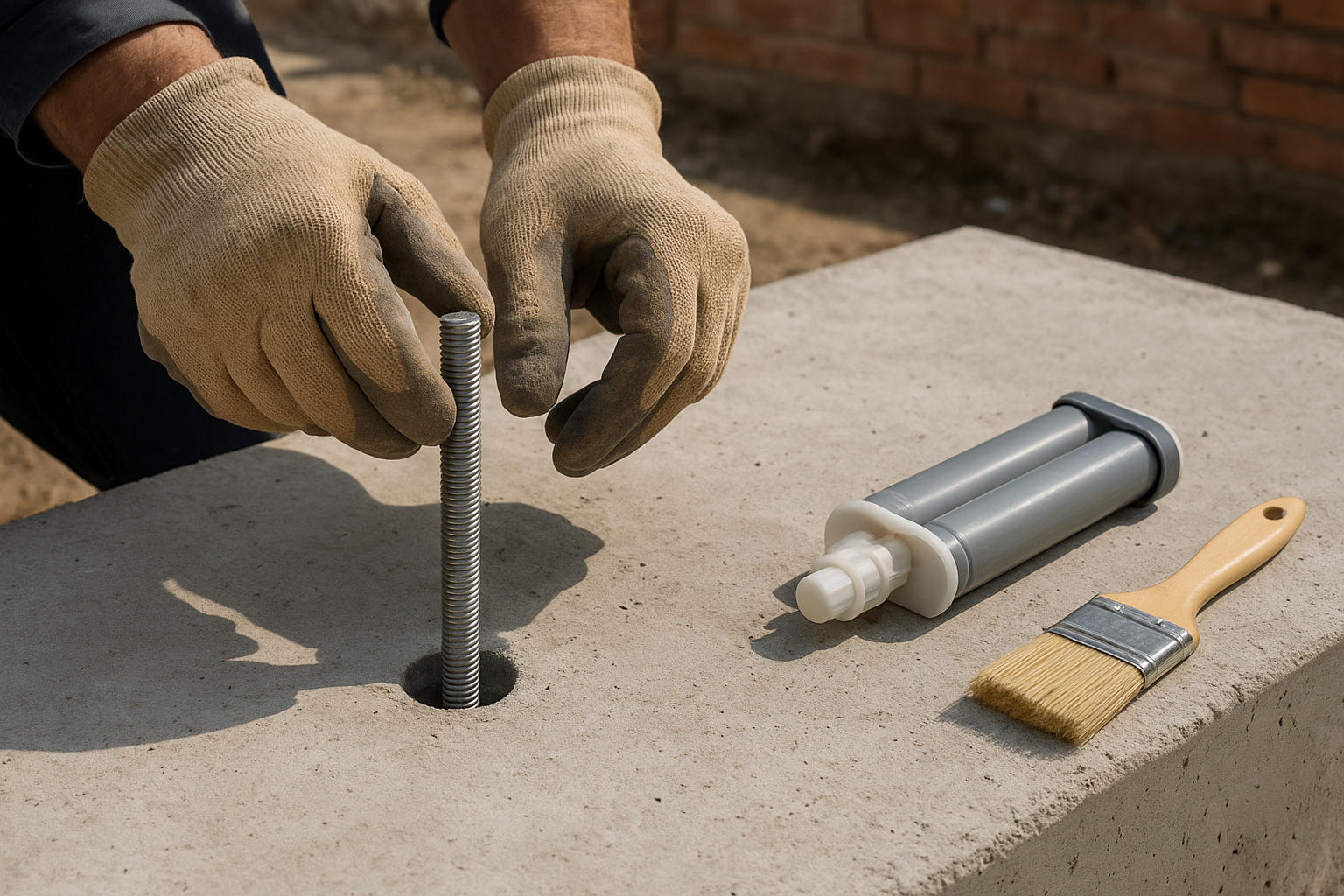
Chemical anchoring means fixing a threaded rod, bolt or reinforcing bar into a drilled hole using a bonding resin instead of (or in addition to) a mechanical wedge or sleeve. The resin is placed in the hole, the steel element is pushed in, and as the adhesive hardens it bonds the steel to the surrounding concrete or masonry. Epoxy-based systems are made of a resin and a hardener that react once they are mixed.
The idea is simple: the adhesive fills the gap between the steel and the walls of the hole, so the force is spread along the embedded length rather than concentrated at one point. That is why chemical anchoring is often considered when fixing near an edge, in cracked-prone areas, or where a mechanical anchor may not be suitable. Whether it is suitable for your specific case is a design decision, not a guess on site.
Common Anchoring Adhesive Uses on Site
The range of anchoring adhesive uses is wide. These are the typical situations where site teams reach for an epoxy product:
| Application | What is being fixed |
|---|---|
| Bolts and threaded rods | Base plates, steel columns, brackets, machine bases |
| Post-installed rebars | Dowels for new slabs, beams or walls tied to existing concrete |
| Railings and posts | Balcony grills, handrails, safety barriers |
| Fixtures and equipment | Water tanks supports, signage frames, solar mounting structures |
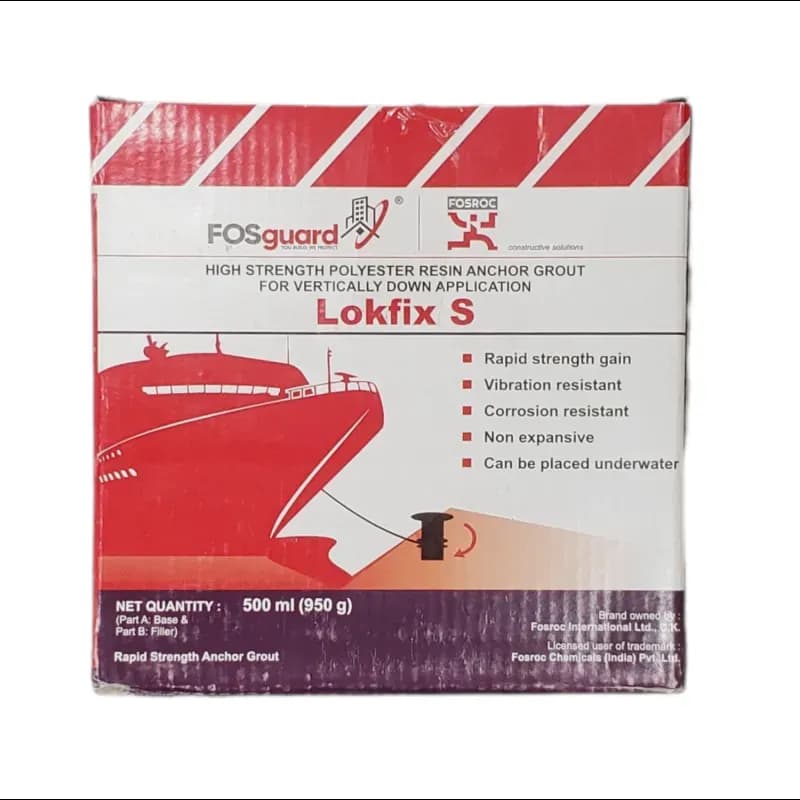
For fixing smaller bolts and rods, an anchor adhesive in a compact pack can be practical. For example, 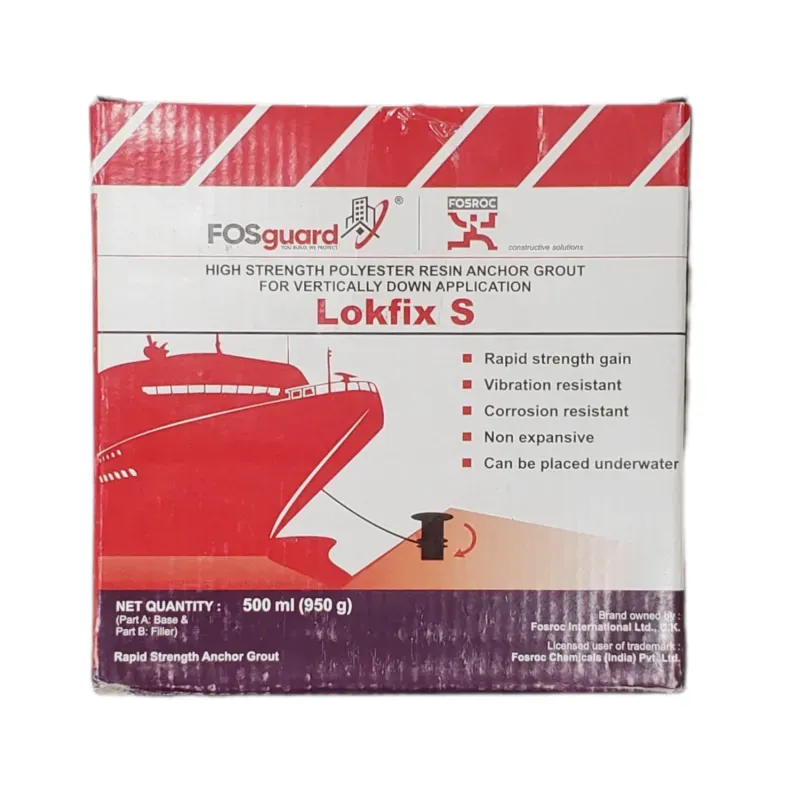 Lokfix s 0.5L 500MLAnchor Adhesive₹600.00View product is listed in the store as an anchor adhesive in a 500 ml pack. Always check its data sheet to see which base materials, hole sizes and fixing types it is meant for.
Remember that anchor fixing in concrete for anything structural, such as rebar dowels or load-bearing steelwork, needs an engineer's design for the embedment depth, bar size, hole diameter and spacing. Those figures should not be guessed or copied from another site.
How to Do Anchor Fixing in Concrete: A Step-by-Step Approach
Every product has its own instructions, so treat the steps below as the general flow and let the data sheet decide the details.
- Read the specification and data sheet first. Confirm the bolt or rebar size, hole diameter, depth and the adhesive to be used. Check the data sheet for the temperature range, working time and curing time of the exact product.
- Mark and drill the hole. Use the diameter and depth given in the specification. Drilling too small makes insertion difficult, while drilling too large wastes adhesive and can reduce the bond.
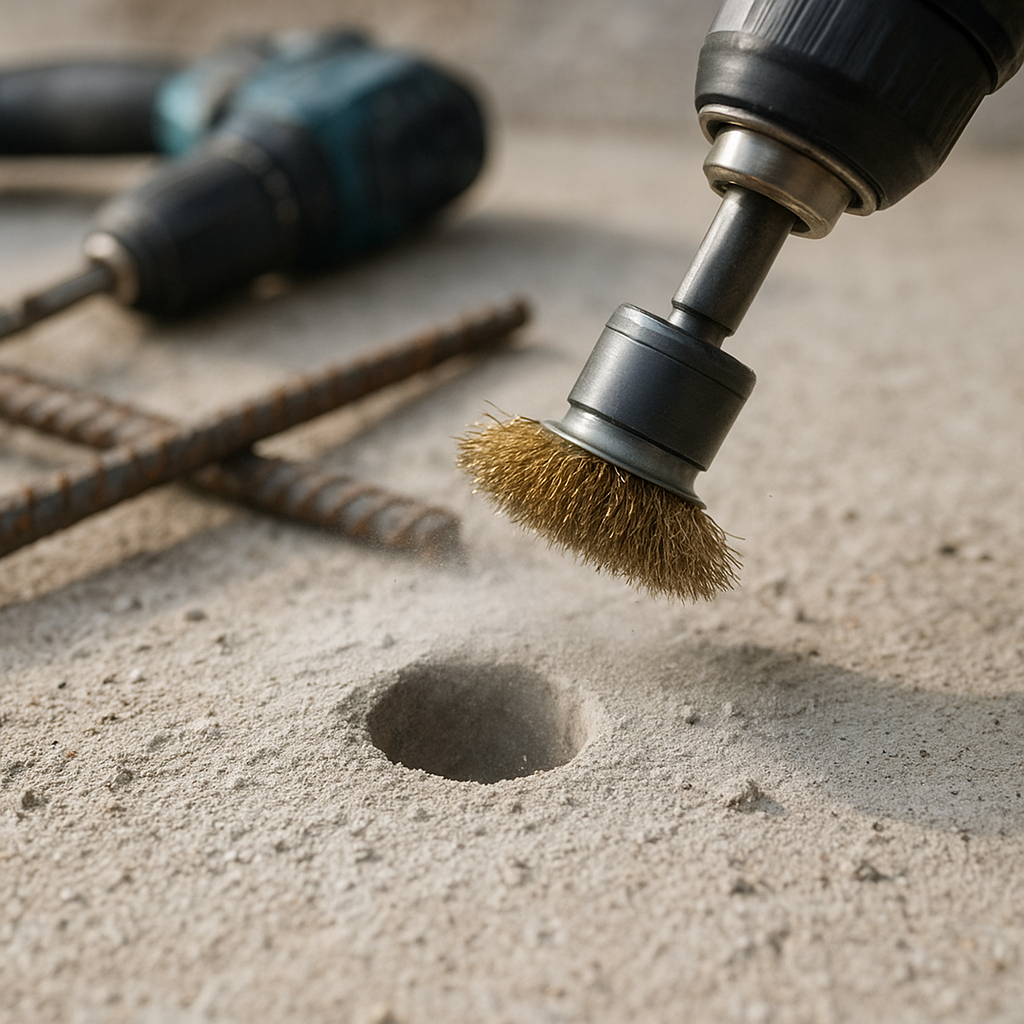
- Clean the hole thoroughly. Dust is the biggest enemy of a good bond. Brush the hole with a proper brush and blow out the dust, repeating as the data sheet recommends. A dusty hole behaves like a greased hole.
- Prepare the steel. Remove loose rust, oil, grease and paint from the part of the bar or bolt that will be embedded.
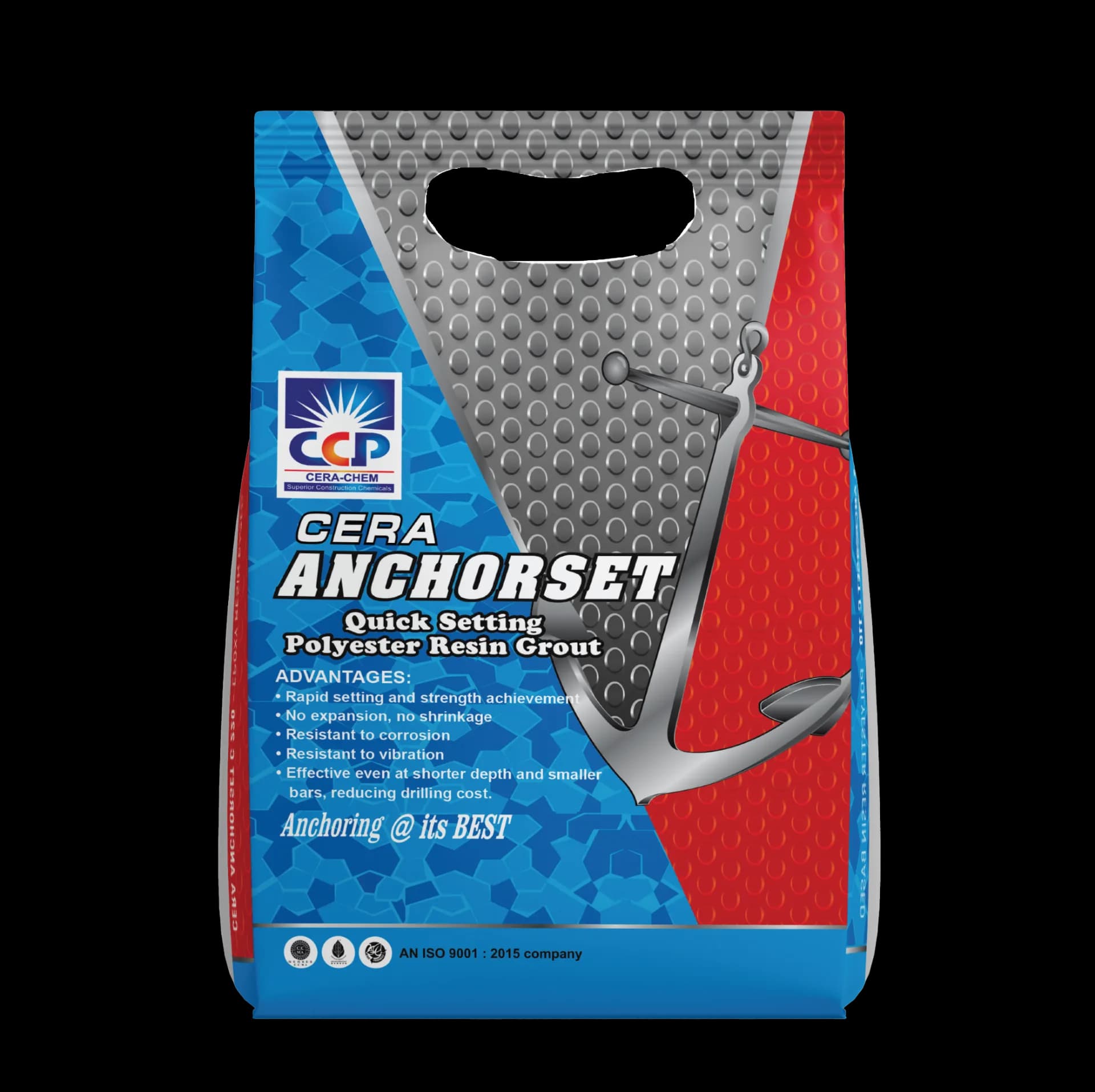
- Mix the adhesive as instructed. Two-part products must be mixed completely, with no streaks of different colour. Use the quantity and method stated by the manufacturer. A product such as
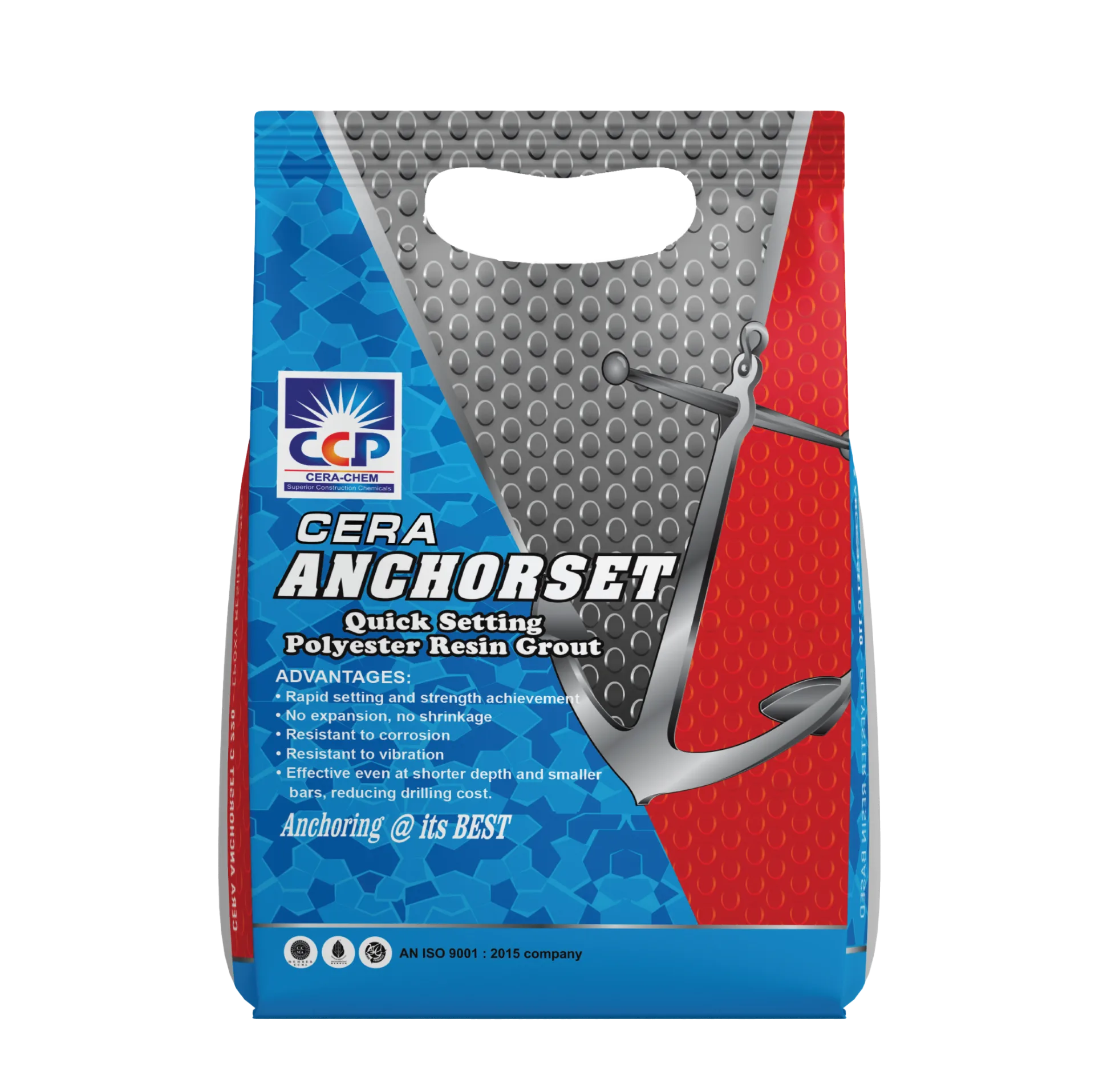 Cera Anchor Set 1KG₹450.00View product, which is sold as a 1 kg anchor set, should be mixed strictly as its data sheet describes.
- Fill the hole and insert the steel. Fill from the back of the hole to avoid trapping air, then push the bolt or bar in with a slight twist until it reaches the required depth.
- Leave it undisturbed. Do not touch, load or tighten the fixing until the curing time given in the data sheet and by the engineer has passed.
Choosing the Right Product: Anchoring, Bonding and Epoxy Adhesives
Not every epoxy product on a shelf is meant for anchoring. Construction chemical ranges include anchoring and epoxy adhesives, bonding agents, grouts and repair mortars, and each has a different purpose. A bonding product for joining new concrete to old is not automatically suitable for holding a bolt under load.
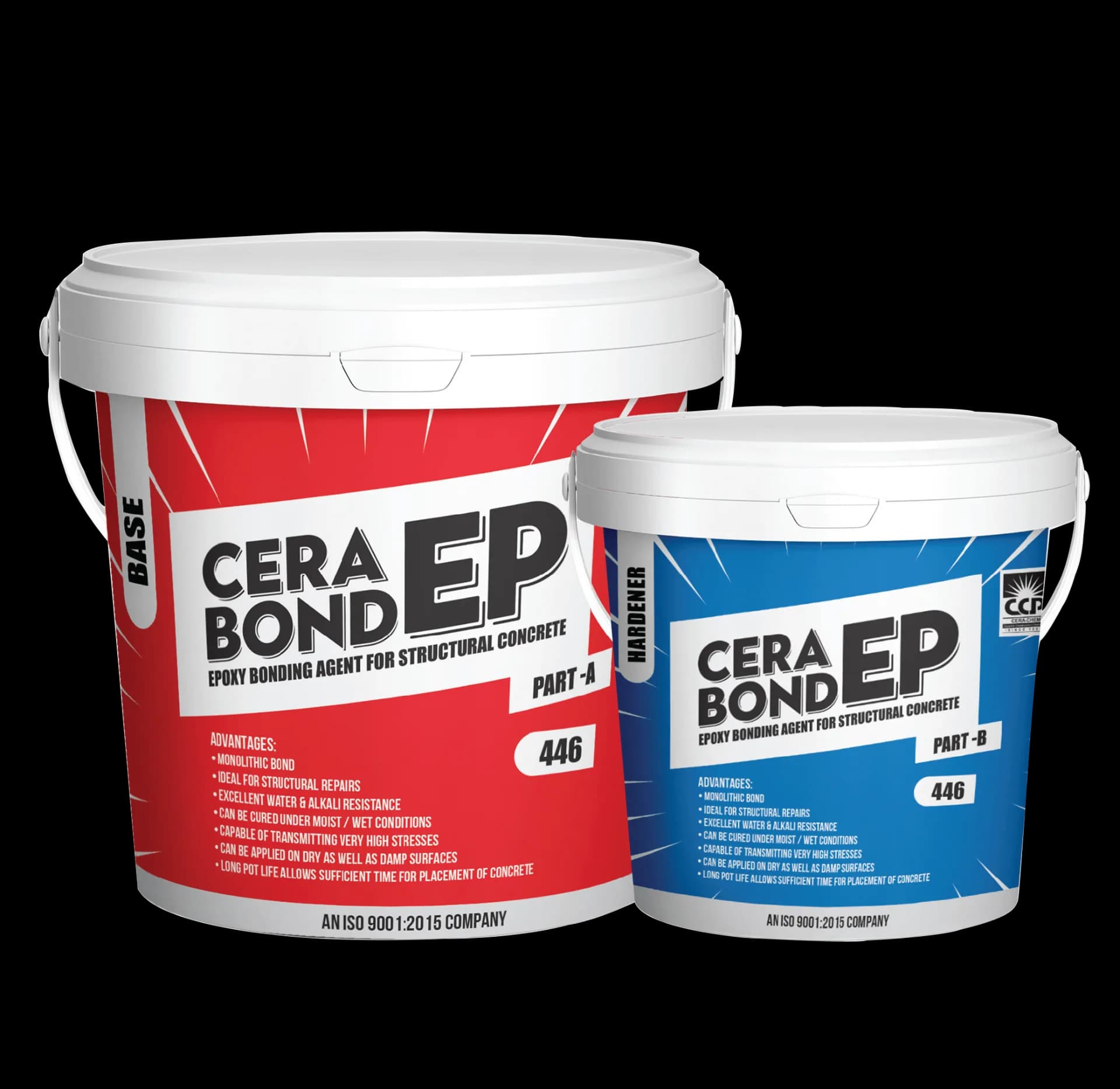
For instance, 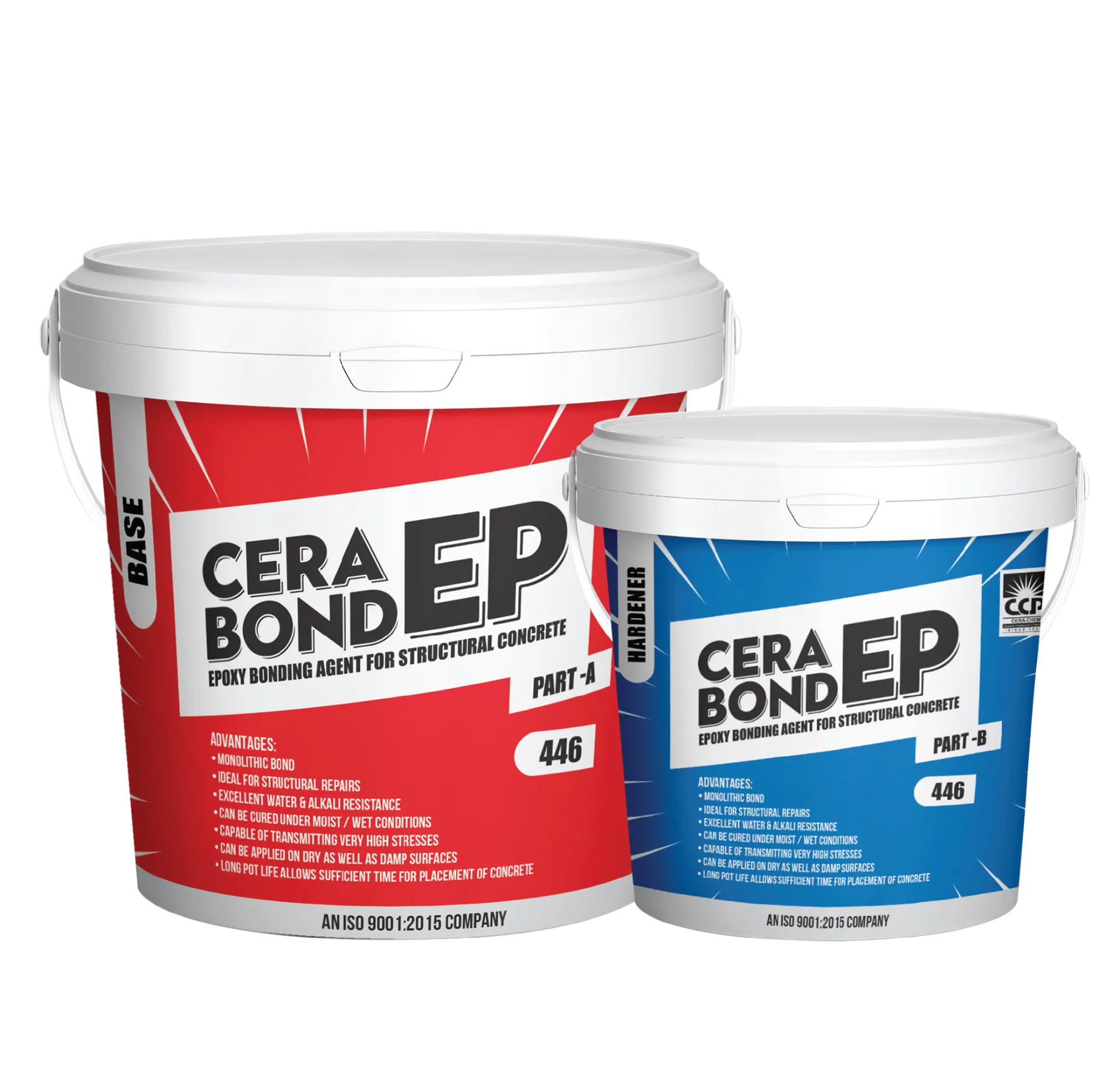 Cera Bond EP 1KGBONDING AGENTS & SBR LATEX₹1,200.00View product is listed under bonding agents and SBR latex in the store, which tells you it belongs to the bonding family. Before using any product for an anchoring job, read what the manufacturer says about its intended use. If the data sheet does not mention anchoring or the type of fixing you need, ask the supplier or the engineer rather than assuming.
It also helps to compare the same type of information for any brand you consider, whether it is Fosroc, MYK Laticrete or another manufacturer. Look at the intended base material, whether the hole may be damp, the temperature limits, the working time and the curing time. Choose the product on the data sheet, not on brand familiarity or pack size alone.
Questions to ask before buying
- Is the product intended for anchor fixing in concrete, masonry or both?
- Is it meant for threaded rods, rebars or both?
- What hole condition does the data sheet allow: dry, damp or something else?
- What are the temperature conditions for application, keeping in mind hot Indian summers?
- Does the engineer's specification name or approve this product?
Common Mistakes and Practical Tips for Epoxy Adhesive for Bolts
Most failures of an epoxy adhesive for bolts come from preparation and handling, not from the resin itself. Keep these points in mind:
- Skipping hole cleaning. This is the most frequent mistake. Take the time to brush and blow out the dust properly.
- Poor mixing. Uneven mixing leaves soft spots that may not harden properly. Mix until the colour is uniform.
- Ignoring working time. In hot weather, adhesive can stiffen faster. Prepare everything before mixing and work in small batches.
- Loading too early. Tightening a nut or hanging weight before the specified curing time can disturb the bond.
- Using the wrong product. Substituting a general bonding product or a different adhesive for the specified one changes the design assumptions.
- Ignoring the edges. Fixing too close to an edge or to another anchor can cause the concrete to crack. The engineer's drawing will state minimum distances.
- Skipping safety information. Read the product safety data sheet and follow its guidance on handling, gloves, eye protection and ventilation.
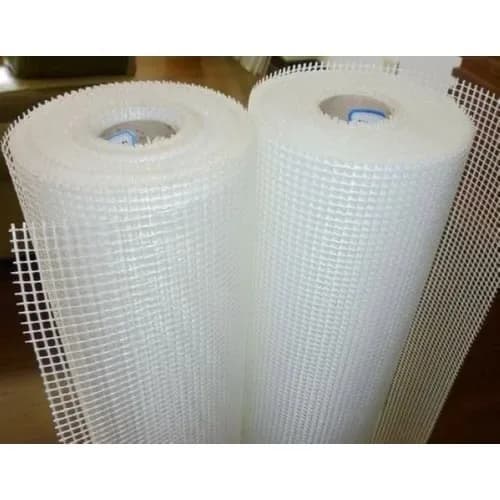
If you are working on thin sections or plastered surfaces where cracks need reinforcement, a material such as 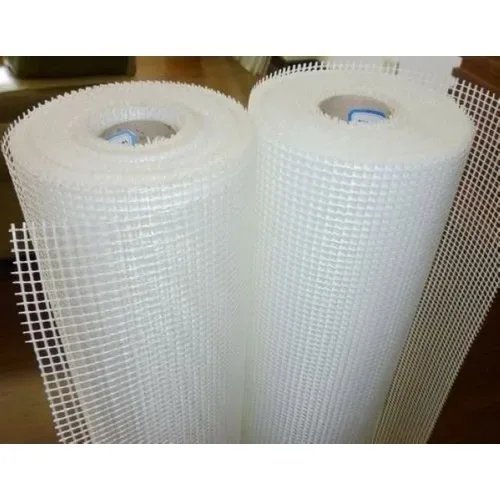 Cera Fiber Glass MeshANCHORING & EPOXY ADHESIVES₹550.00View product, listed in the anchoring and epoxy adhesives category, may come up in conversation. Treat it only as a related item and confirm its intended use from the data sheet before deciding how it fits into your work.
Conclusion: Let the Data Sheet and the Engineer Lead
Chemical anchoring is a reliable, widely used way to fix bolts, rods and rebars into concrete when it is specified and applied correctly. The core ideas are easy to remember: choose a product made for anchoring, drill to the specified size, clean the hole well, mix completely, insert the steel and allow the full curing time before loading it.
The most important rule is that the numbers come from the manufacturer's data sheet and a qualified engineer, not from habit or from a neighbouring site. Follow those, stay careful with preparation, and an epoxy anchor adhesive can do its job quietly for the life of the structure.