On this page
Most terrace leaks are noticed in the middle of the monsoon, when it is too late to do a proper repair. The dry months are the best time to look at your roof with a clear head. Good terrace waterproofing depends on finding small problems early and repairing them on a clean, dry surface.
This checklist is for homeowners and contractors. It covers what to inspect, how to prioritise repairs and how to plan coating work, so the roof is ready well before the next rains.
Terrace Waterproofing Inspection Checklist
Start with a slow walk across the entire terrace, ideally on a dry, bright day. Carry a marker, a tape measure and a phone to photograph each problem. A written terrace inspection checklist keeps the job organised and gives you a record to compare next year.
Look at these points one by one:
- Surface cracks: note hairline cracks, wider cracks, and cracks that run along the slab edges or over beams.
- Coating condition: look for chalking, peeling, blistering, thin patches or areas where the old coating has worn away.
- Joints and junctions: check the wall-to-floor corners, expansion joints, parapet bases and the area around pipes and drains.
- Drainage and slope: look for ponding marks, algae, silt or debris around outlets. Standing water is a common reason for early failure.
- Inside the building: look at the ceiling below for stains, flaking paint, damp patches or white salt deposits.
- Parapet and walls: check for cracks, loose plaster and gaps where the parapet meets the slab.
Mark each problem directly on the surface with chalk or a marker, and photograph it. A simple table works well for tracking the repairs:
| What you find | What it may mean | Next step |
|---|---|---|
| Hairline cracks in the screed | Surface shrinkage or thermal movement | Clean and treat before coating |
| Wider or deeper cracks | Movement or poor earlier repair | Open up, clean and fill properly |
| Peeling or powdery coating | Old coating has aged | Remove loose material and recoat |
| Water pooling near outlets | Slope or drainage problem | Correct the slope, then waterproof |
| Stains on the ceiling below | Active or past leakage path | Trace the source on the terrace |
Terrace Crack Repair: Fix the Cracks Before You Coat
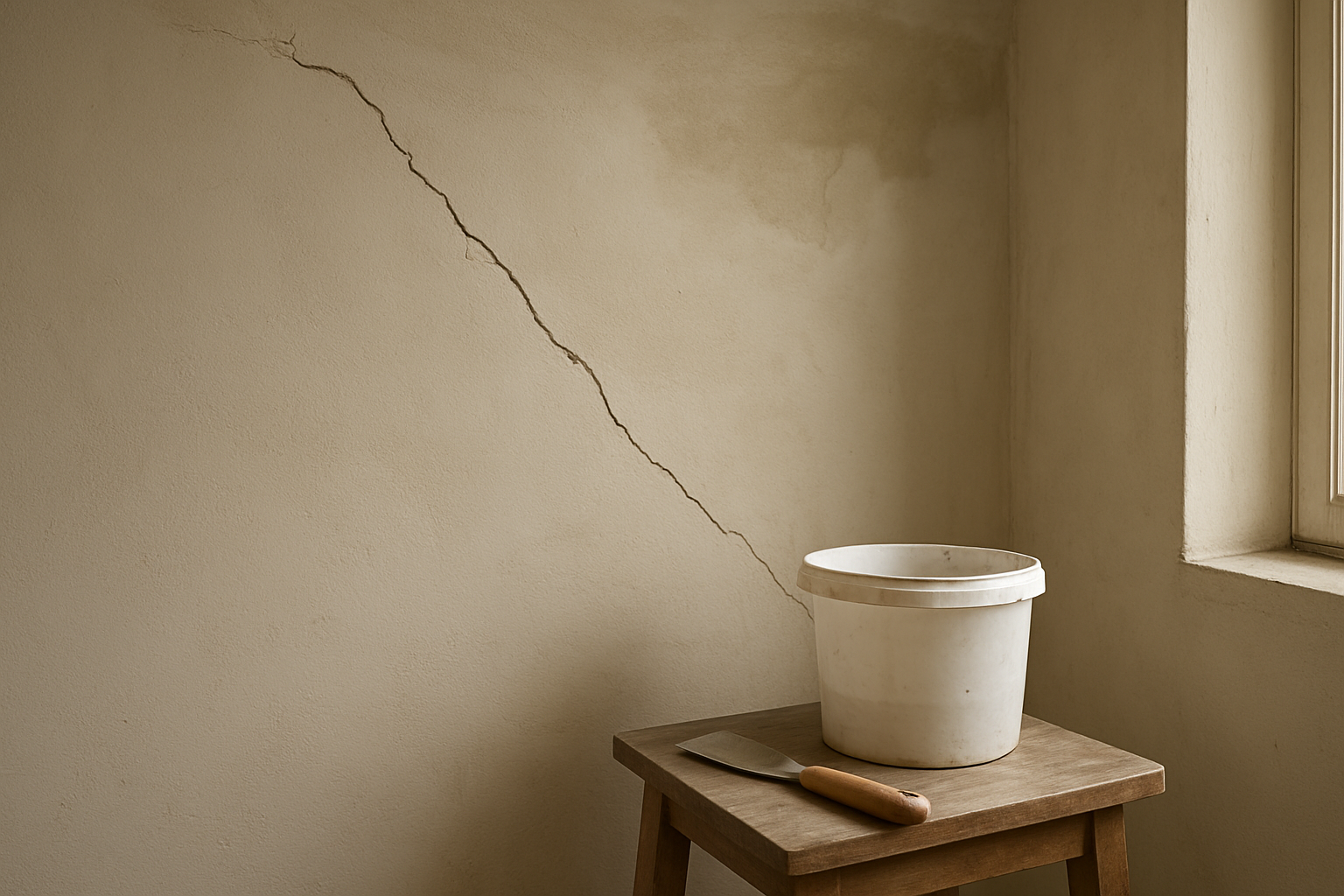
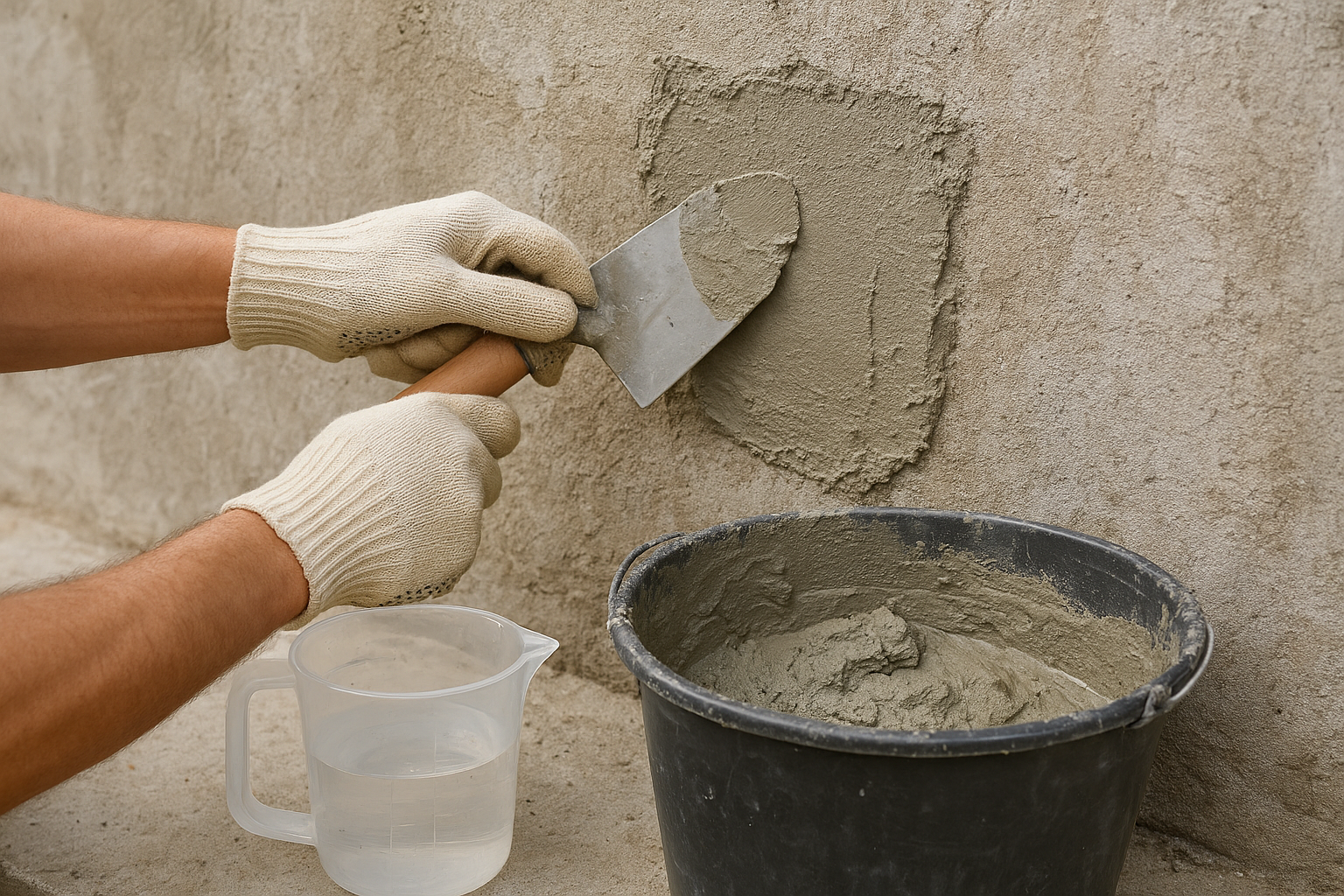
A coating can only do its job if the surface beneath it is sound. Cracks that are simply painted over usually reopen, and water finds them again. For effective terrace crack repair, the usual approach is to clean the crack, remove loose material and dust, and then fill it with a suitable crack filler.
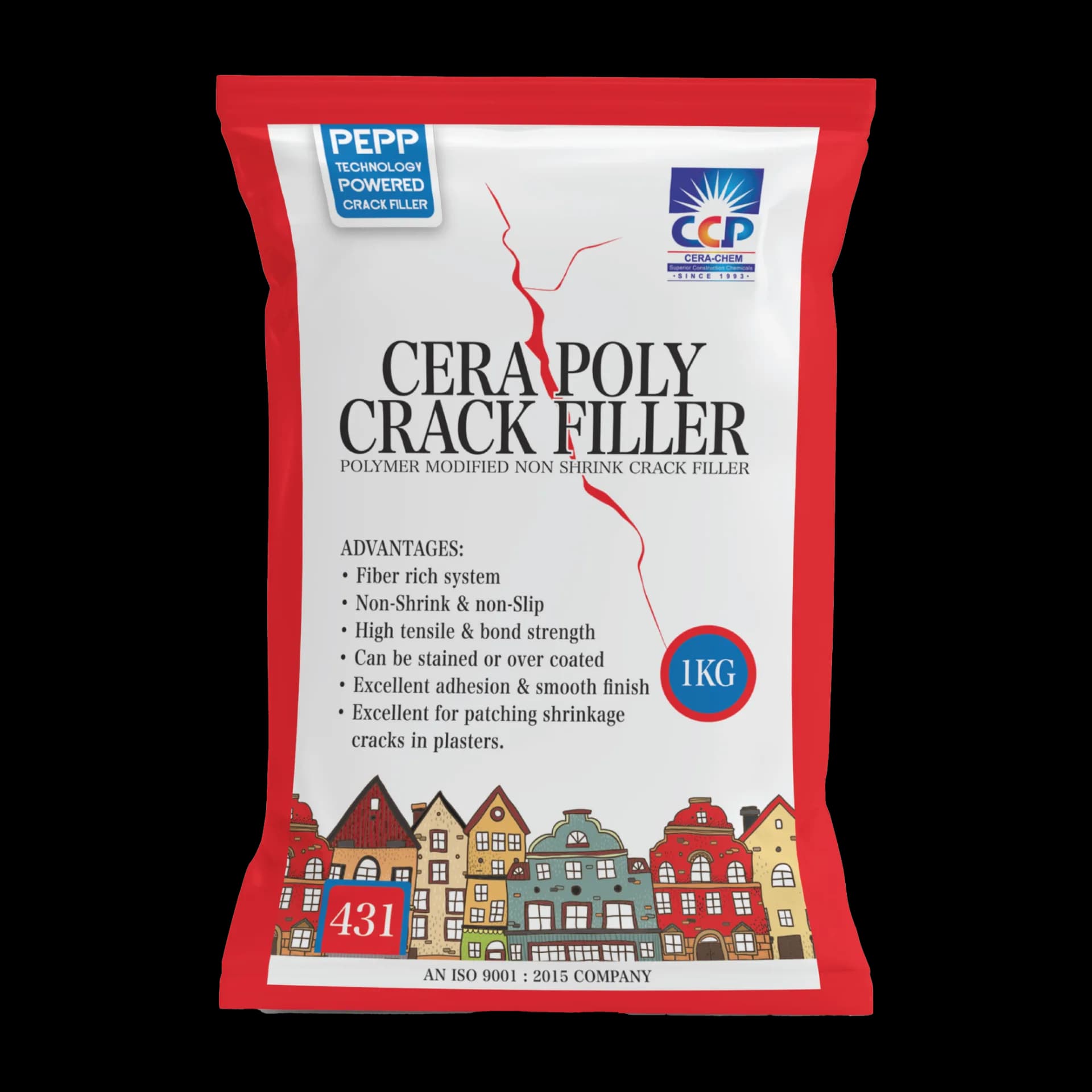
For general cracks in the surface, a product such as 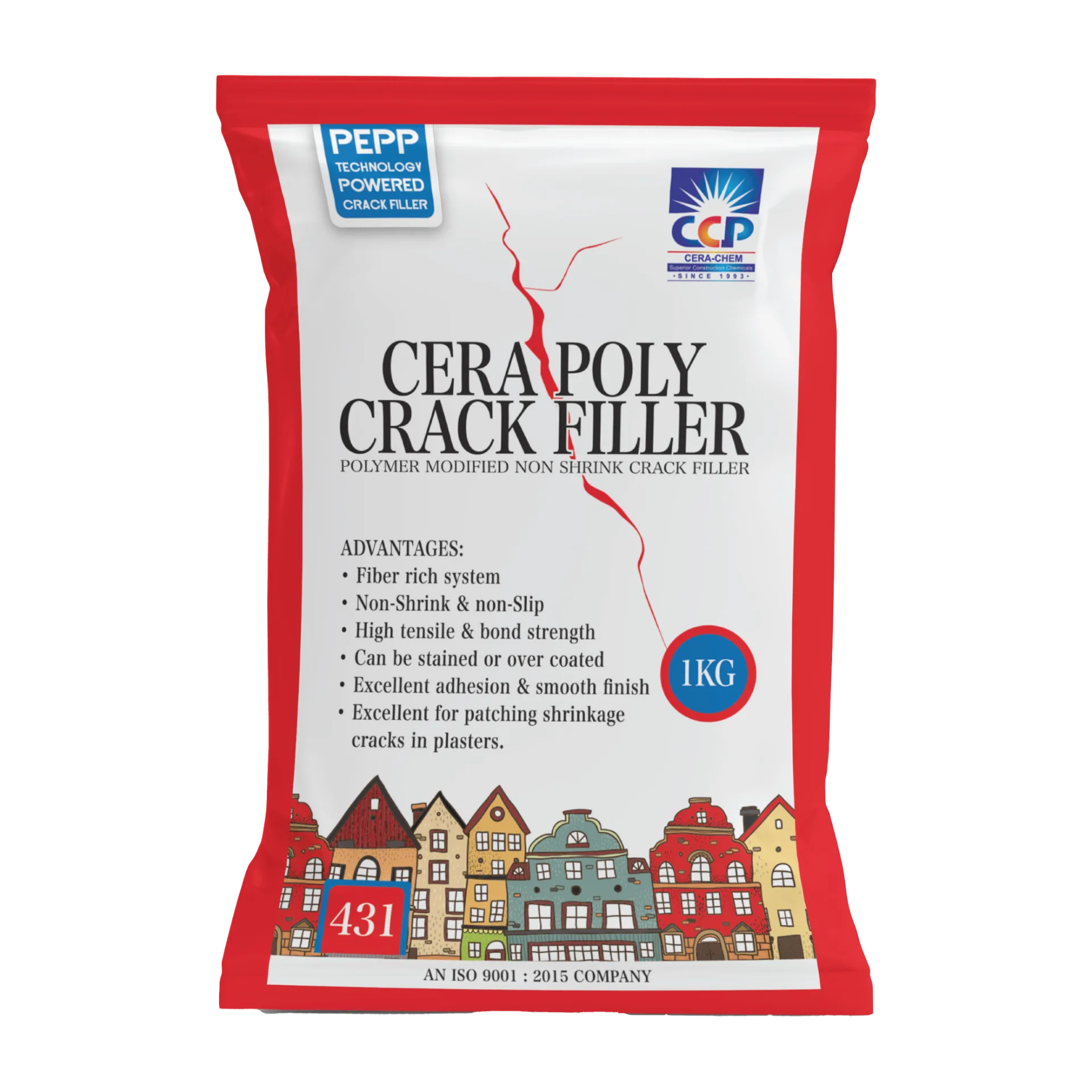 Cera Polycrack FillerCrack Filler₹100.00View product is the type of crack filler to consider. Always read the product data sheet for surface preparation, application method and waiting time before coating. Do not rely on guesswork or on-site mixing habits.
A few points apply to nearly every crack repair:
- Widen very fine cracks slightly only if the data sheet or your site engineer advises it.
- Remove dust, oil, algae and loose particles completely.
- Do not fill cracks while the slab is wet or while water is seeping through.
- Let the repair settle for the time the manufacturer specifies before you apply a coating over it.
Cracks that keep growing, or that show signs of structural movement, need an engineer's opinion. A waterproofing repair is not a substitute for that assessment.
Treat Joints, Corners and Reinforcement Points
Many terrace leaks begin not in the middle of the slab but at the edges. Wall-to-floor junctions, parapet bases, pipe penetrations and construction joints all see movement and are harder to coat evenly. These areas deserve extra attention in your plan.
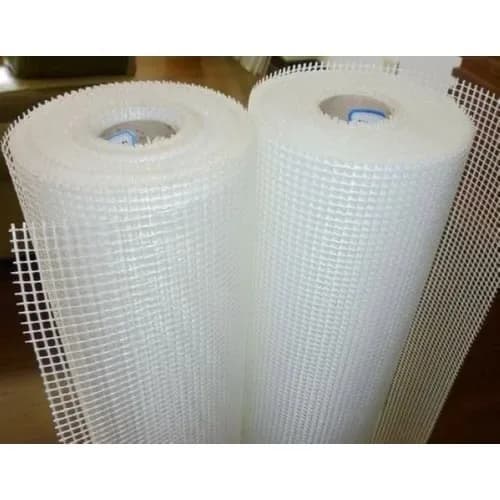
Some contractors reinforce these vulnerable points with a mesh embedded in the coating layers. 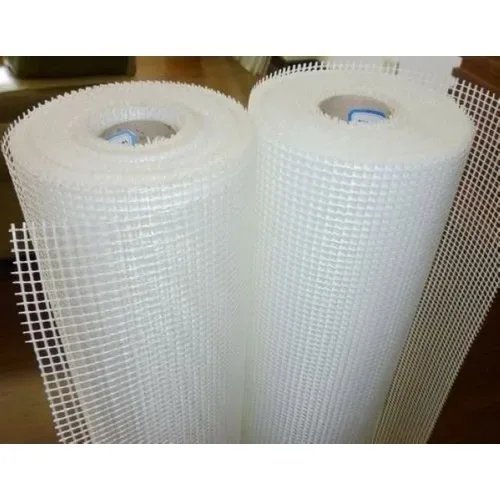 Cera Fiber Glass MeshANCHORING & EPOXY ADHESIVES₹550.00View product is a fibre glass mesh listed under the anchoring and epoxy adhesives category. Check the data sheet and the coating manufacturer's guidance to confirm whether, and how, a mesh should be used with the system you choose.
While you are at the junctions, also check:
- Whether old sealant has hardened, shrunk or separated from the edges.
- Whether the corners where the slab meets the wall are rounded or cleaned and ready for coating.
- Whether pipe collars and drain outlets are firmly fixed and free of gaps.
Choosing a Cementitious Waterproofing Coating
Once cracks and joints are repaired, the next question is the coating. A cementitious waterproofing coating is a popular choice for terraces because it is cement-based and is applied by brush or similar methods onto a prepared, damp-conditioned surface. A 2K system comes in two components that are mixed together before use, which is why following the data sheet is important.
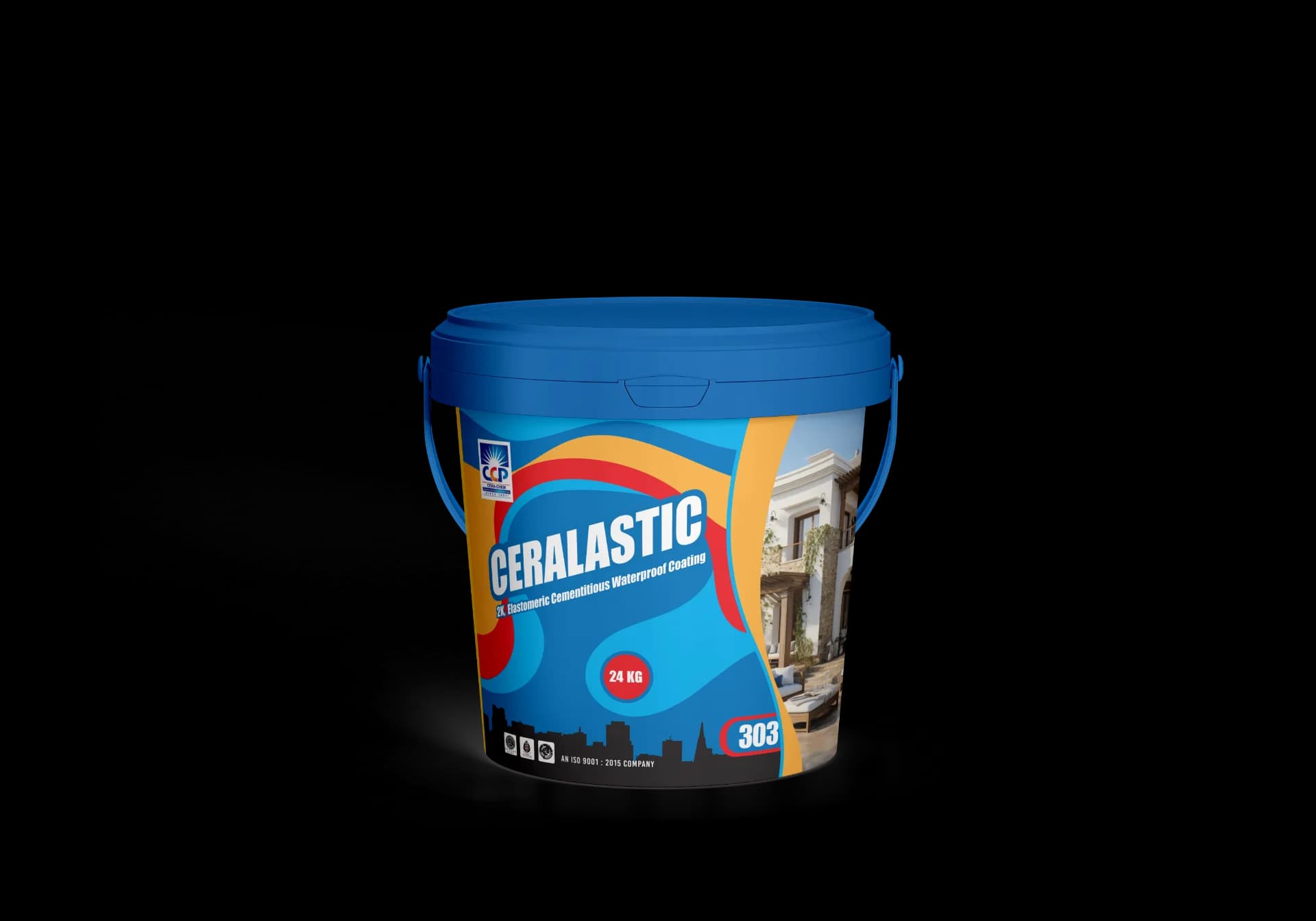
For terrace waterproofing coatings of this type, 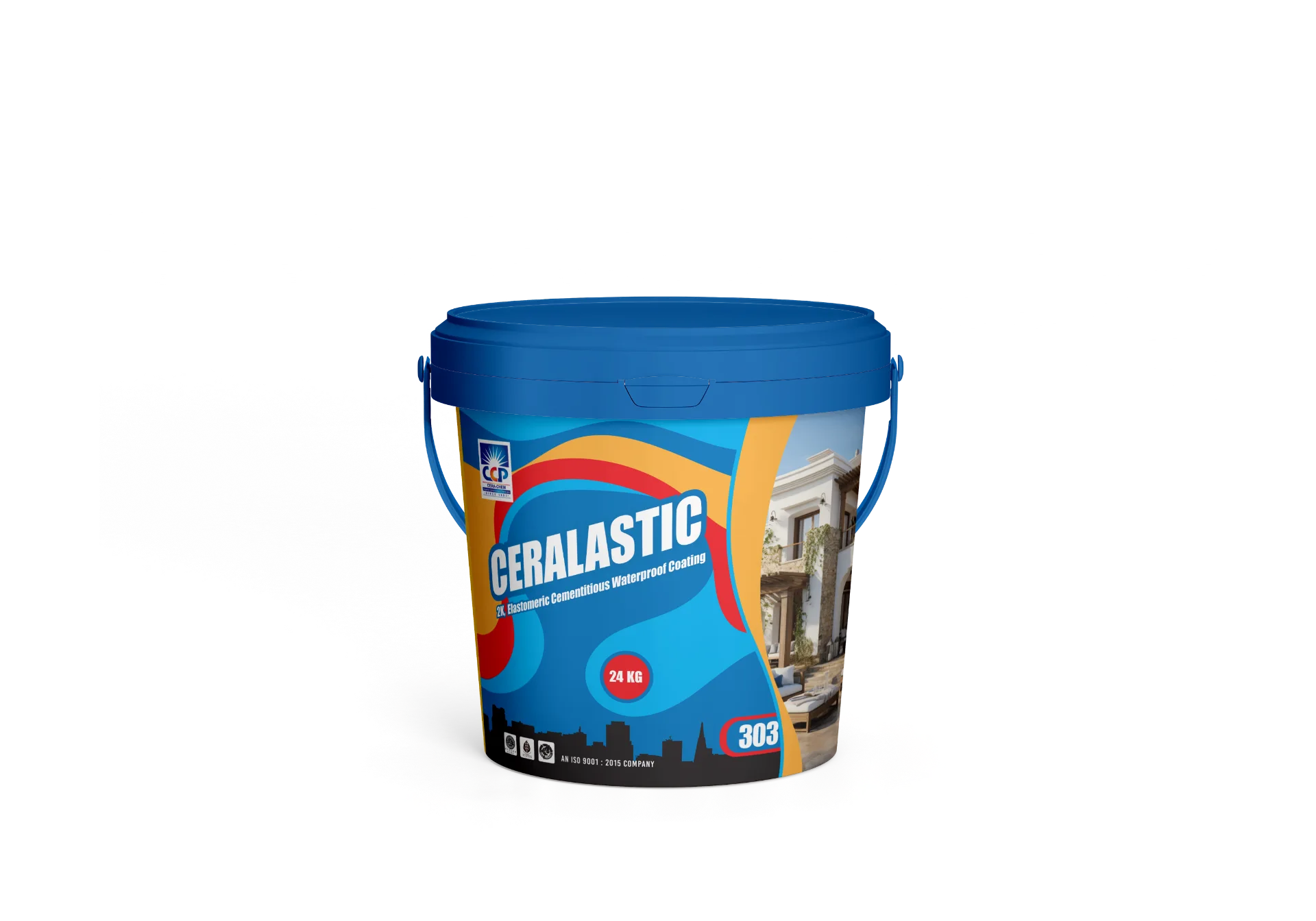 Ceralastic Bucket-Grey 24KG2K Cementitious Coating₹3,000.00View product is a 2K cementitious coating sold in a 24 kg grey bucket pack. It suits larger areas where a bigger pack makes ordering and site handling easier.
When selecting any coating, ask these questions:
- Is it designed for terraces and exposed roof surfaces?
- Does the data sheet explain surface preparation, mixing, number of coats and waiting time between coats?
- Will the terrace be walked on, and does it need a protective screed or tile finish later?
- Is the product compatible with the repair materials you used earlier?
Never decide mix ratios, coverage or curing time from memory or from a neighbour's experience. Use the figures printed on the official data sheet for the exact product you are applying.
Plan the Work and Avoid Common Mistakes
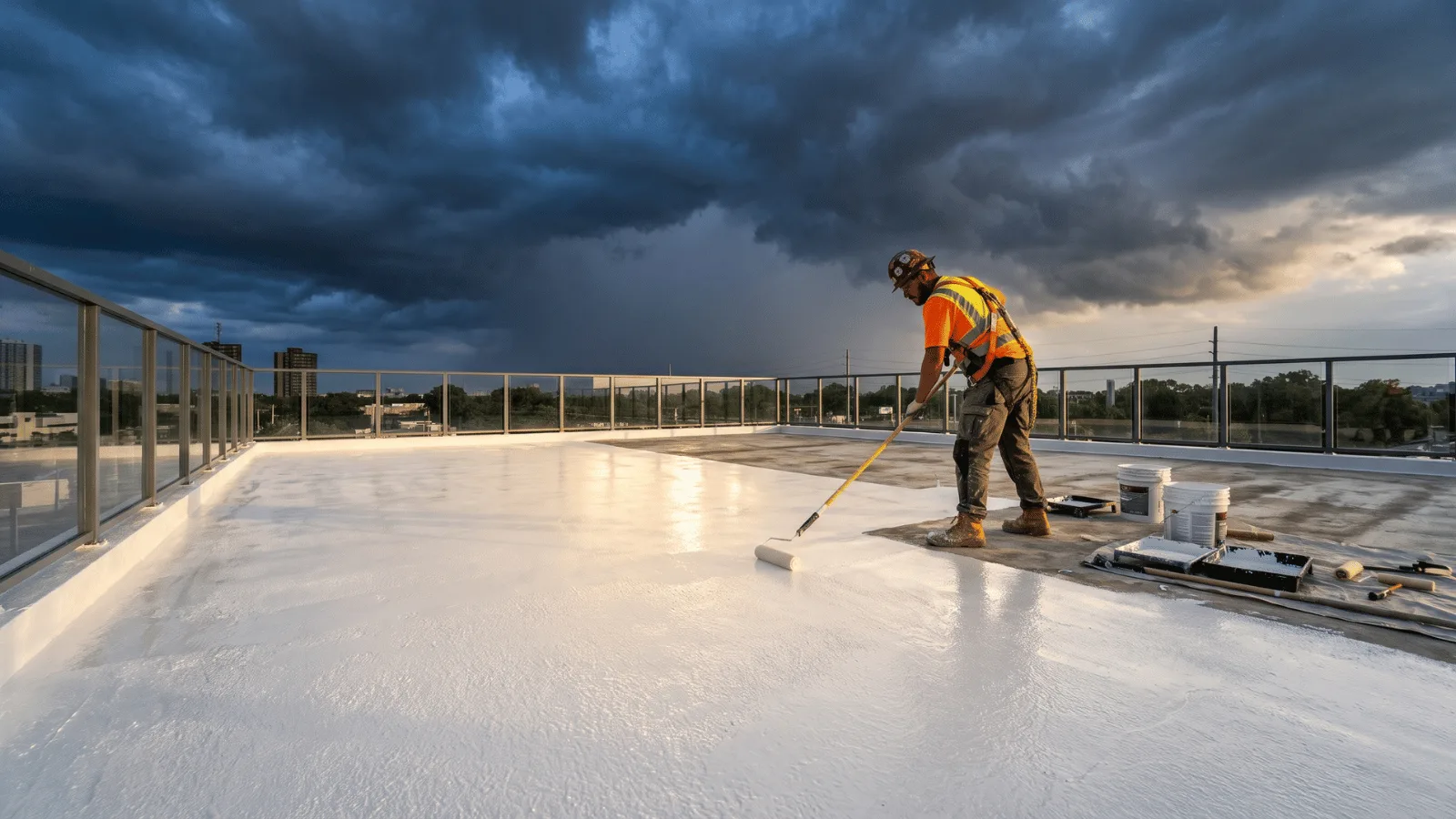
The best roof leakage solution is one that is planned, not rushed. Dry months give you time to schedule work in sections, shop for materials in advance and allow repairs to settle before the first rain.
A simple timeline looks like this:
- Inspect and mark: complete the checklist and photograph every defect.
- Prepare: clear the debris, clean the surface, fix drainage and slope issues.
- Repair: treat cracks, joints and damaged areas as the data sheets describe.
- Coat: apply the waterproofing system in the number of coats specified.
- Protect and test: let the system cure as instructed, then check for ponding and leaks before the rains arrive.
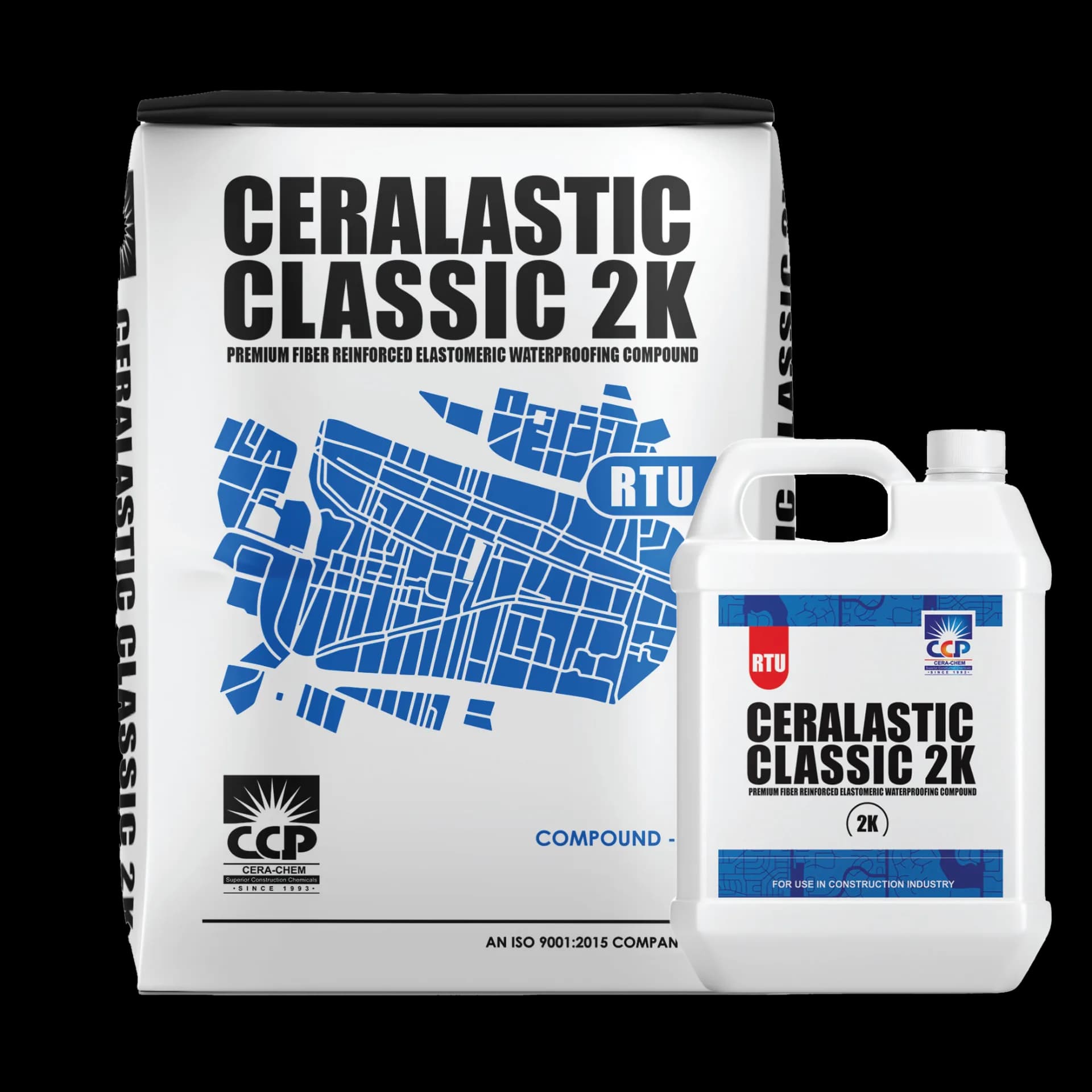
For smaller terraces, balconies or patch areas, a smaller pack can be more practical than a large bucket. 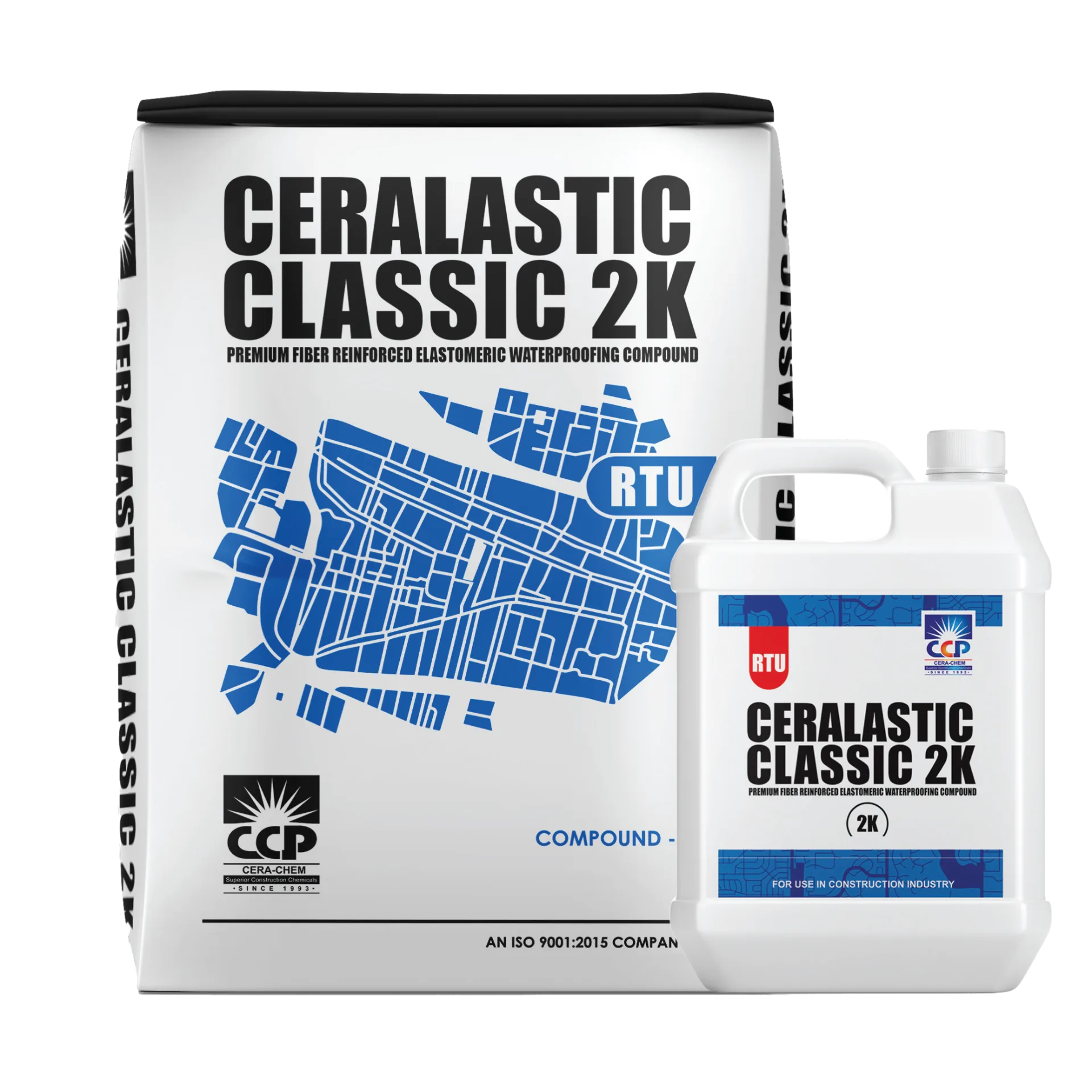 Ceralastic-Grey 7KG2K Cementitious Coating₹900.00View product is a grey 2K cementitious coating in a 7 kg pack, which may suit such jobs. Estimate the quantity from the data sheet rather than guessing, so you do not run short in the middle of a coat.
Common mistakes to avoid:
- Coating over dust, algae, oil or loose old paint.
- Skipping the junctions and corners because they are fiddly.
- Applying material in strong midday sun or when rain is likely.
- Mixing partial quantities by eye instead of following the data sheet.
- Walking on or loading the surface before it has cured as directed.
- Ignoring blocked drains, which put water back on the surface.
Always follow the product safety data sheet for handling, ventilation and protective equipment on site.
Final Thoughts
A terrace that stays dry through the monsoon usually has one thing in common: someone looked at it before the rains. Walk the roof, record every crack, joint and worn patch, repair the surface properly, and then apply a suitable coating system following the manufacturer's instructions.
If you find wide or growing cracks, or the leak source is unclear, ask a qualified civil engineer or waterproofing applicator to inspect the roof. Starting now means the work is done calmly, not under pressure when the first heavy shower arrives.