On this page
Most failed concrete repairs do not fail because the material was bad. They fail because of small, avoidable site errors. SBR latex mistakes are among the most common: wrong dilution, a dirty surface, or using the product where it was never meant to work. The same goes for bonding agents and admixtures. This guide walks through the typical problems, why they happen and how to fix them, in plain language you can use on your next job.
Mistake 1: Skipping Surface Cleaning and Preparation
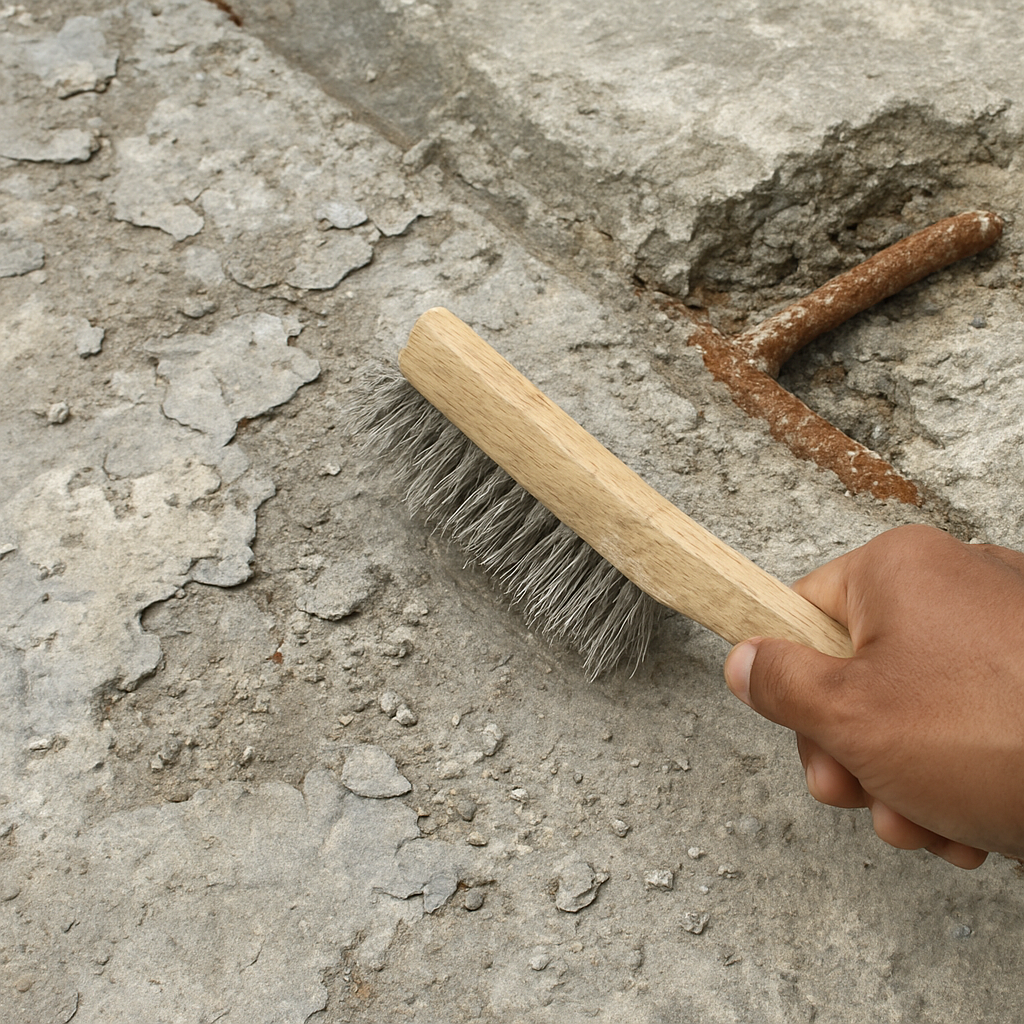
This is the number one cause of bonding agent mistakes. A bonding agent can only connect new material to a surface that is actually there. If the surface is coated with dust, oil, curing compound, old paint, loose plaster or laitance (the weak, powdery film on top of concrete), the agent bonds to the dirt and not to sound concrete.
Typical signs of the problem:
- The new layer sounds hollow when tapped a few days later.
- Edges of the patch lift or curl.
- The repair comes off in a clean sheet, with the old surface showing underneath.
How to fix it:
- Remove all loose and deteriorated concrete until you reach sound material.
- Clean off dust, oil, grease and old coatings with suitable mechanical methods.
- Treat exposed reinforcement for rust before repairing over it.
- Roughen smooth surfaces so the new layer has something to grip.
- Follow the data sheet on whether the surface should be dry, damp or saturated surface dry before application.
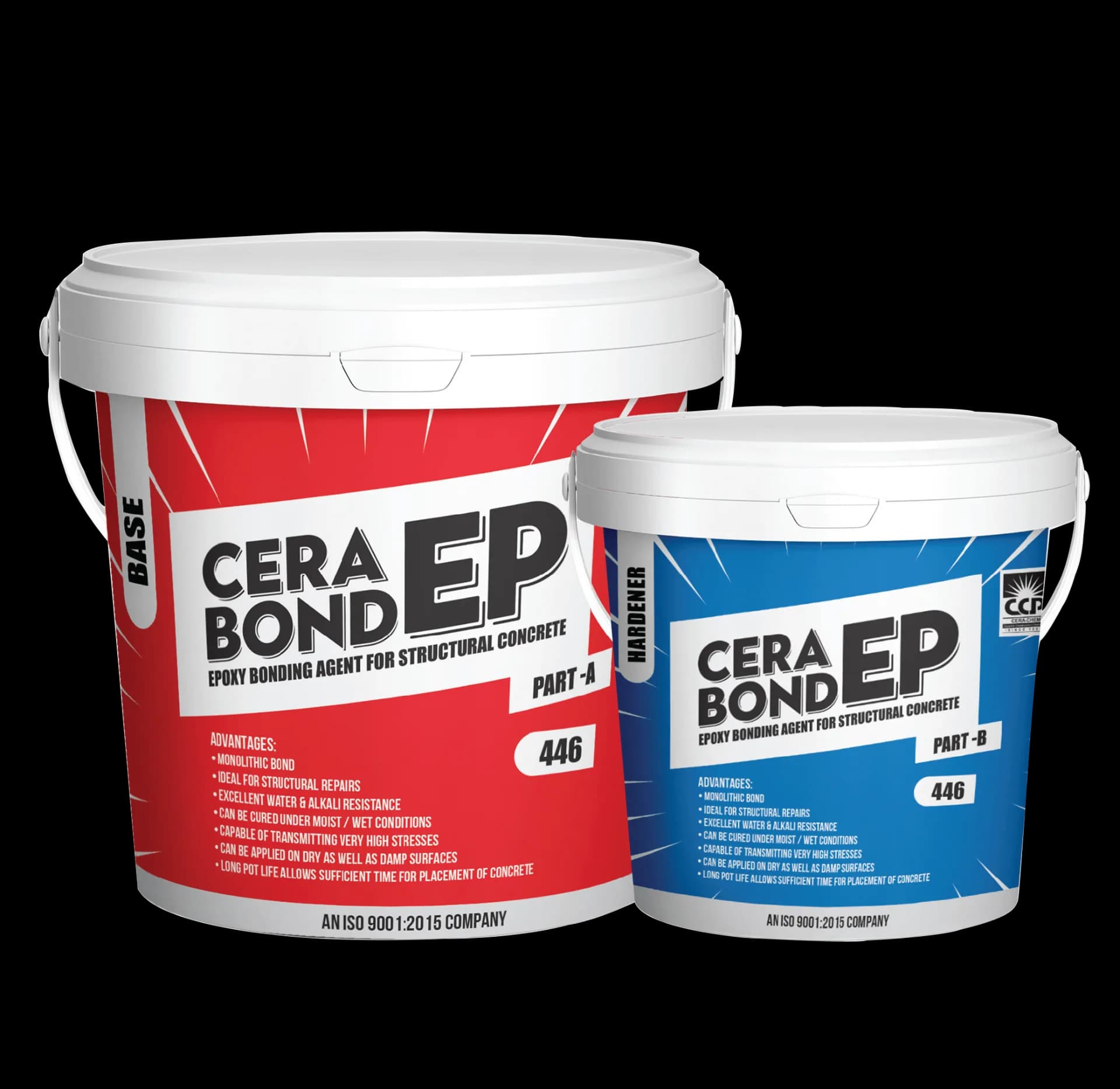
For products in the bonding agents & SBR latex category, such as 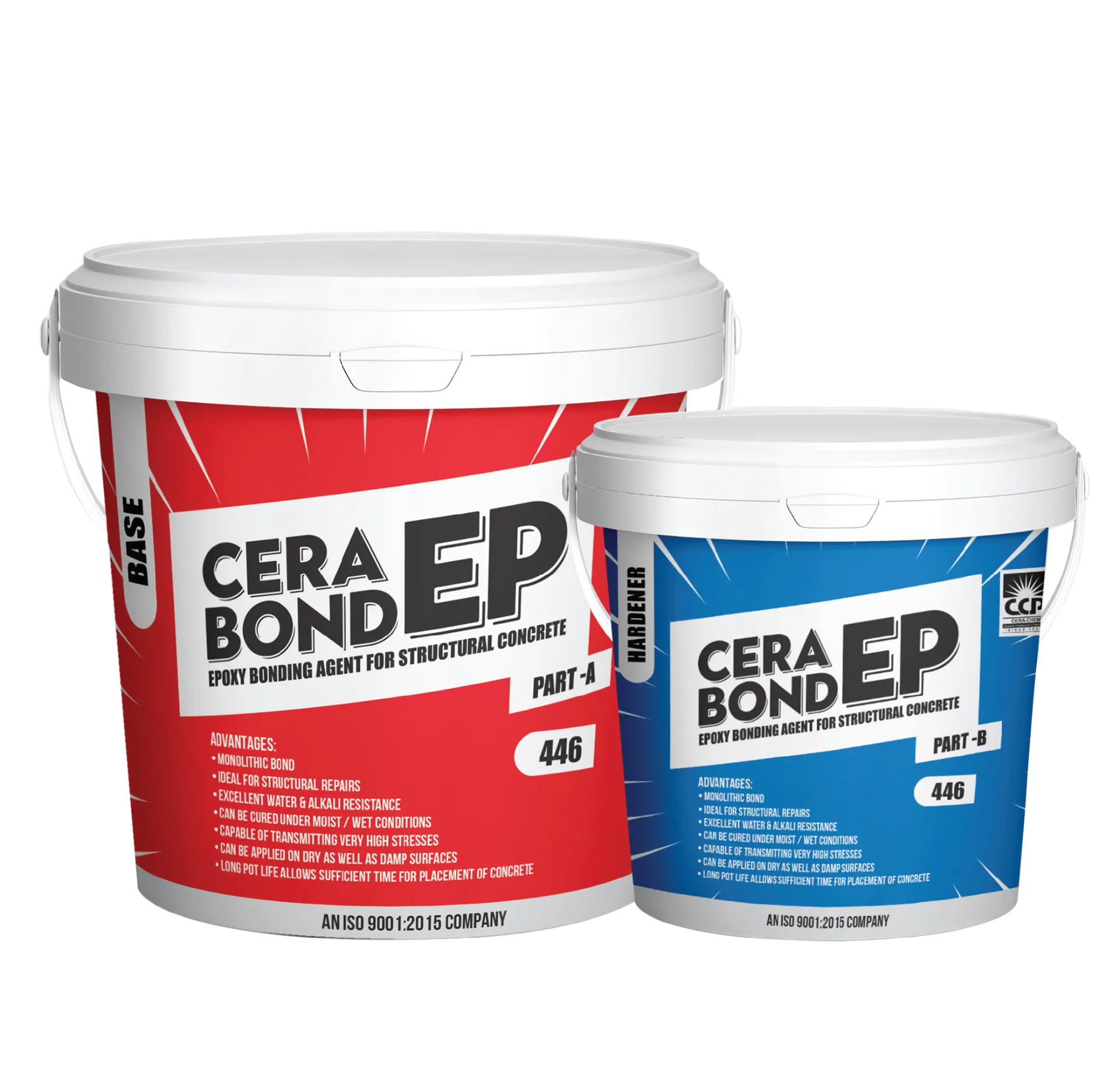 Cera Bond EP 1KGBONDING AGENTS & SBR LATEX₹1,200.00View product, the data sheet explains how the surface should be prepared and how the product should be applied. Read it before opening the container, not after.
SBR Latex Mistakes That Weaken Repairs
SBR latex is a polymer emulsion added to cement-based mixes to improve bonding and the quality of repairs and toppings. It is useful, but only when it is used the way the manufacturer intends. These are the most common SBR latex mistakes we see:
Treating it as a cure-all
SBR latex does not fix a moving crack, active leakage or a rusting bar that has not been treated. It improves a cement mix. It does not replace proper diagnosis. If the underlying cause is still there, the repair will fail again.
Guessing the dilution or mix proportion
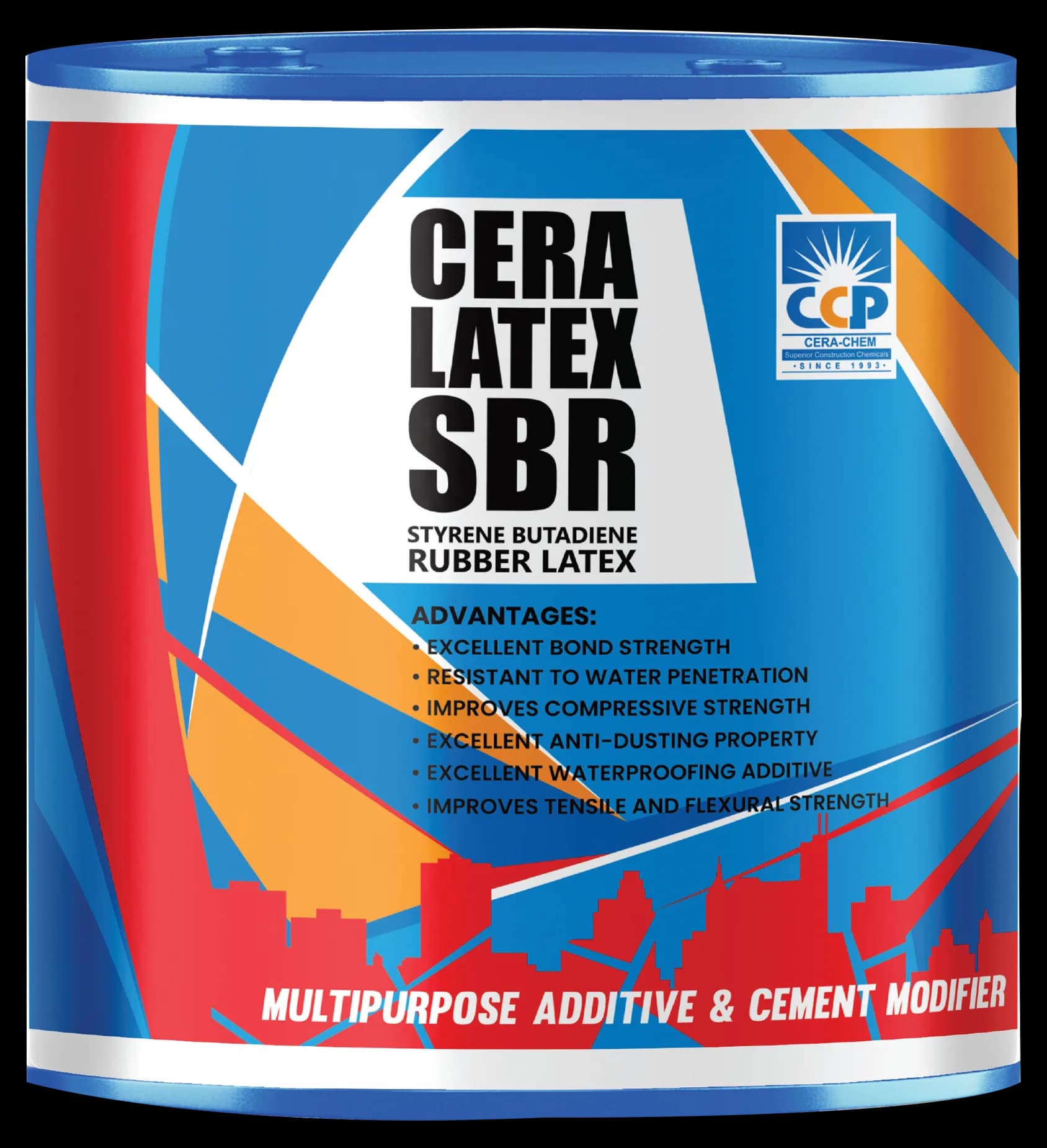
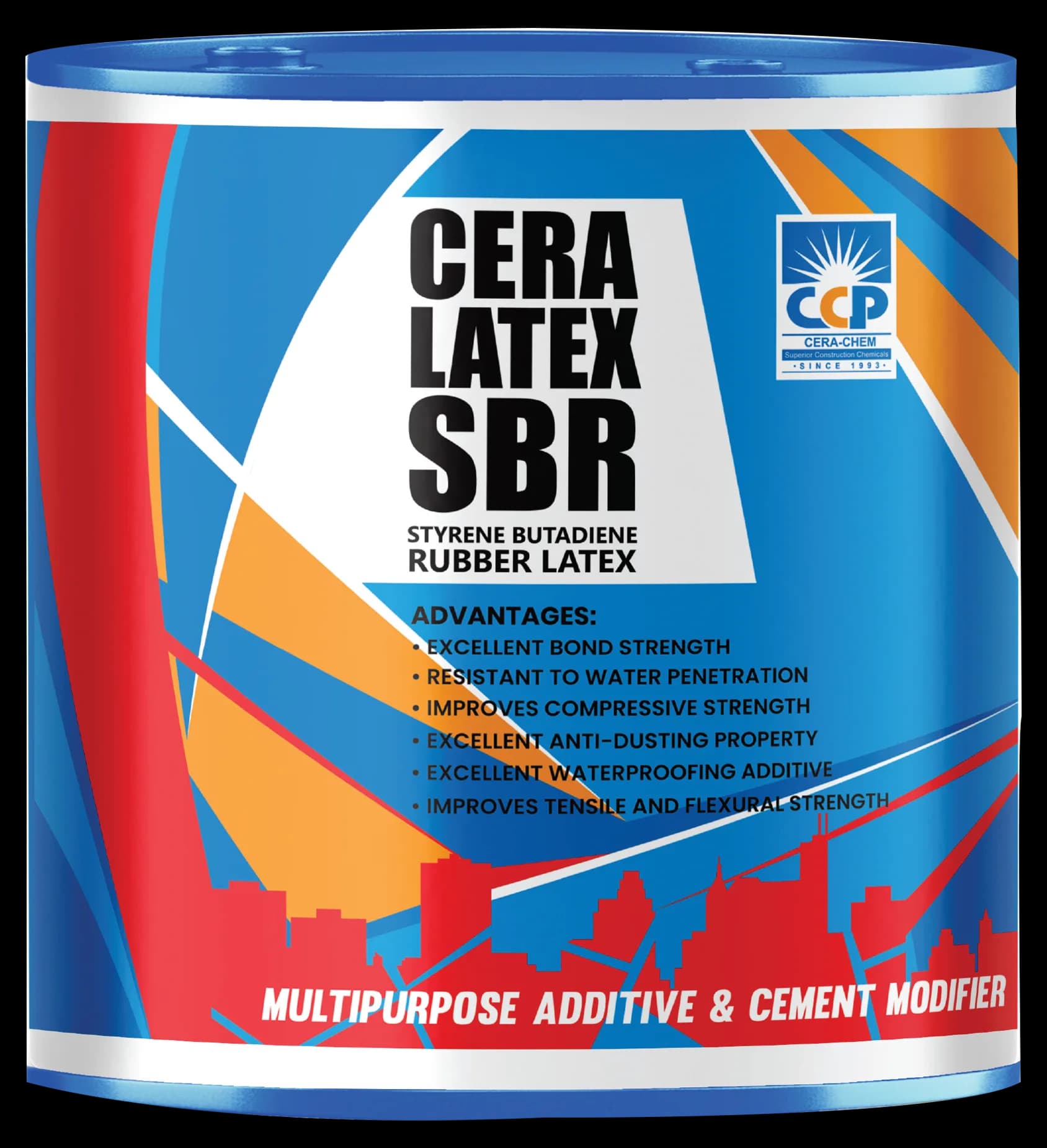
Pouring "a bit extra" for better results is a classic error. Too little may give weak benefit, and too much can change how the mix behaves. Always take the proportion, mixing order and water adjustment from the official data sheet of the product you are using, such as 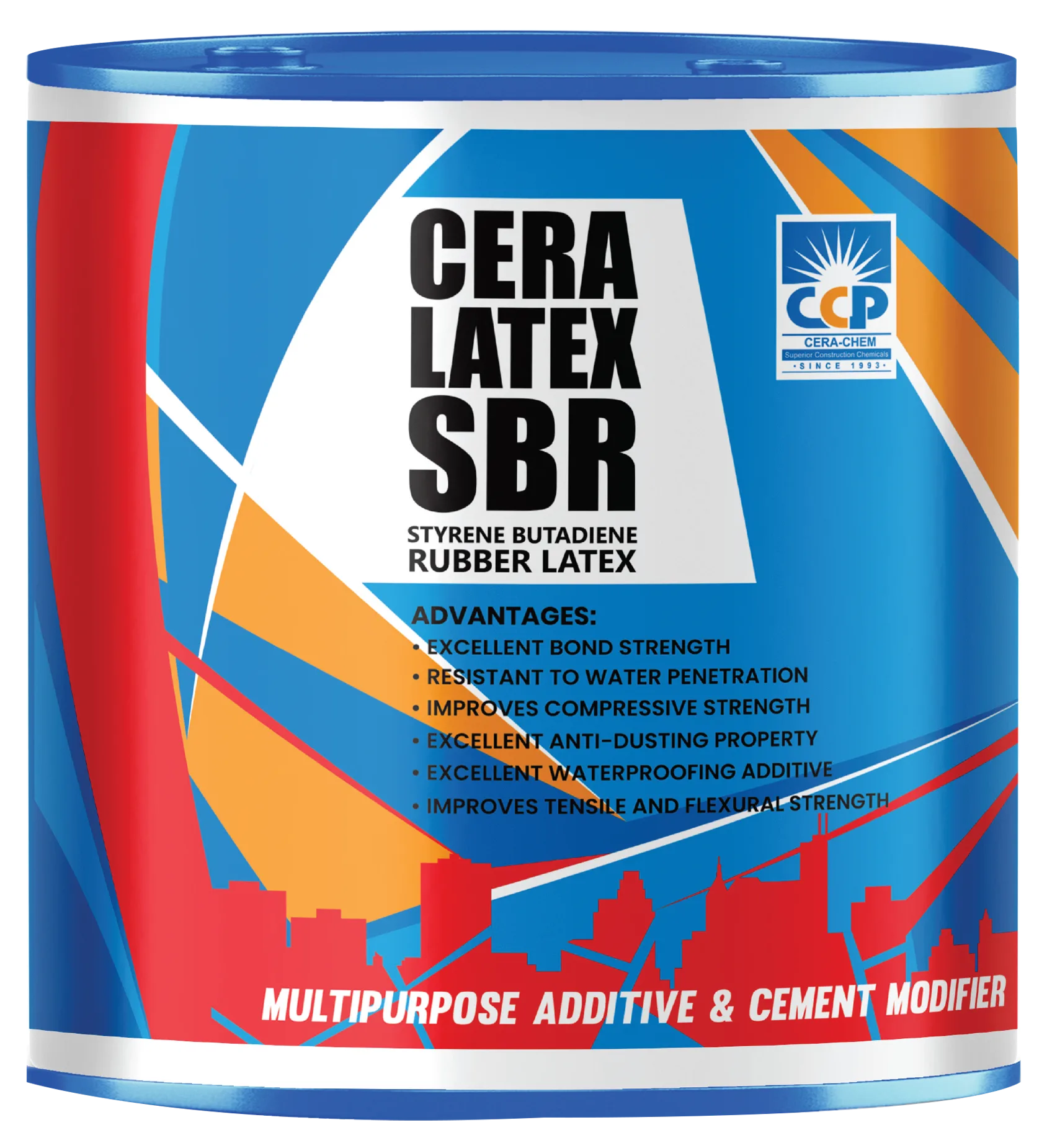 Cera Latex SBRSBR Latex₹600.00View product. Do not borrow numbers from another brand, another job or a colleague's memory.
Using it as a bonding coat without understanding the method
Some applicators brush a latex-cement slurry on the old surface and then wait too long before placing the repair mortar. If the slurry dries out, it stops acting as a bonding layer and can become a thin barrier. Plan the sequence so the next layer goes on within the window described in the data sheet.
Mixing different latex products
Not all SBR latex products are the same, and different types are not always meant to be mixed. Stick with one product per mix unless the manufacturer says otherwise.
Concrete Admixture Dosage Mistakes
Concrete admixtures are added in small quantities to change how concrete behaves, for example to improve workability, reduce water demand or control setting. Because the dose is small, the effect of an error can be surprisingly large. Common concrete admixture dosage mistakes include:
- Measuring by eye. Splashing admixture into the mixer from the can gives different results in every batch. Use a measuring jar or a marked container.
- Overdosing to "be safe". More is not better. Overdosing can cause unwanted effects on setting and finish.
- Not adjusting water. Adding the admixture and then also adding extra water on site defeats the purpose.
- Changing the dose with no trial. If the weather, cement or aggregate changes, check with the site engineer or the manufacturer before changing the dose.
- Using the wrong admixture for the job. A product meant for one purpose will not do another one's work.
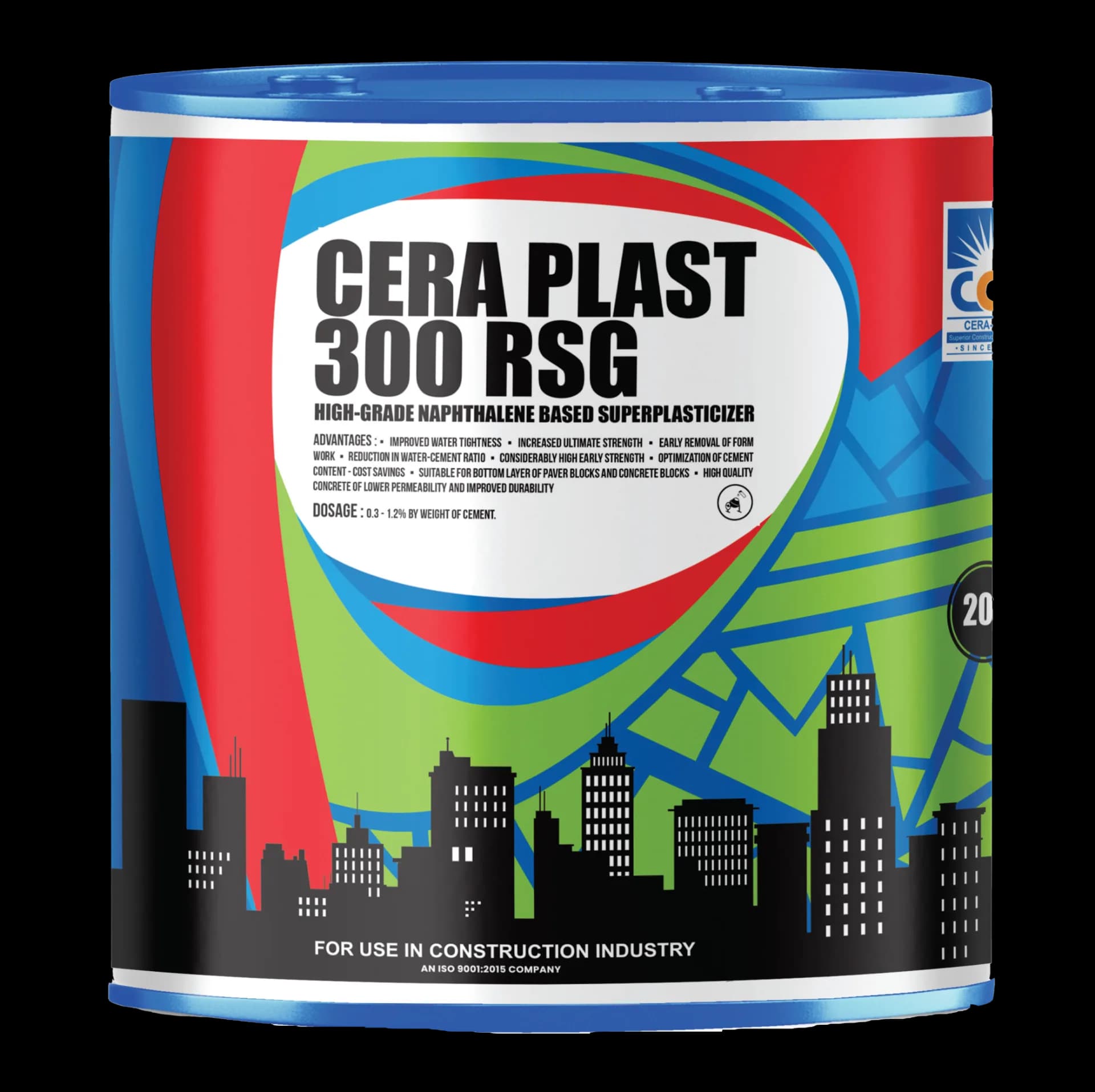
The store's concrete admixtures range includes products like 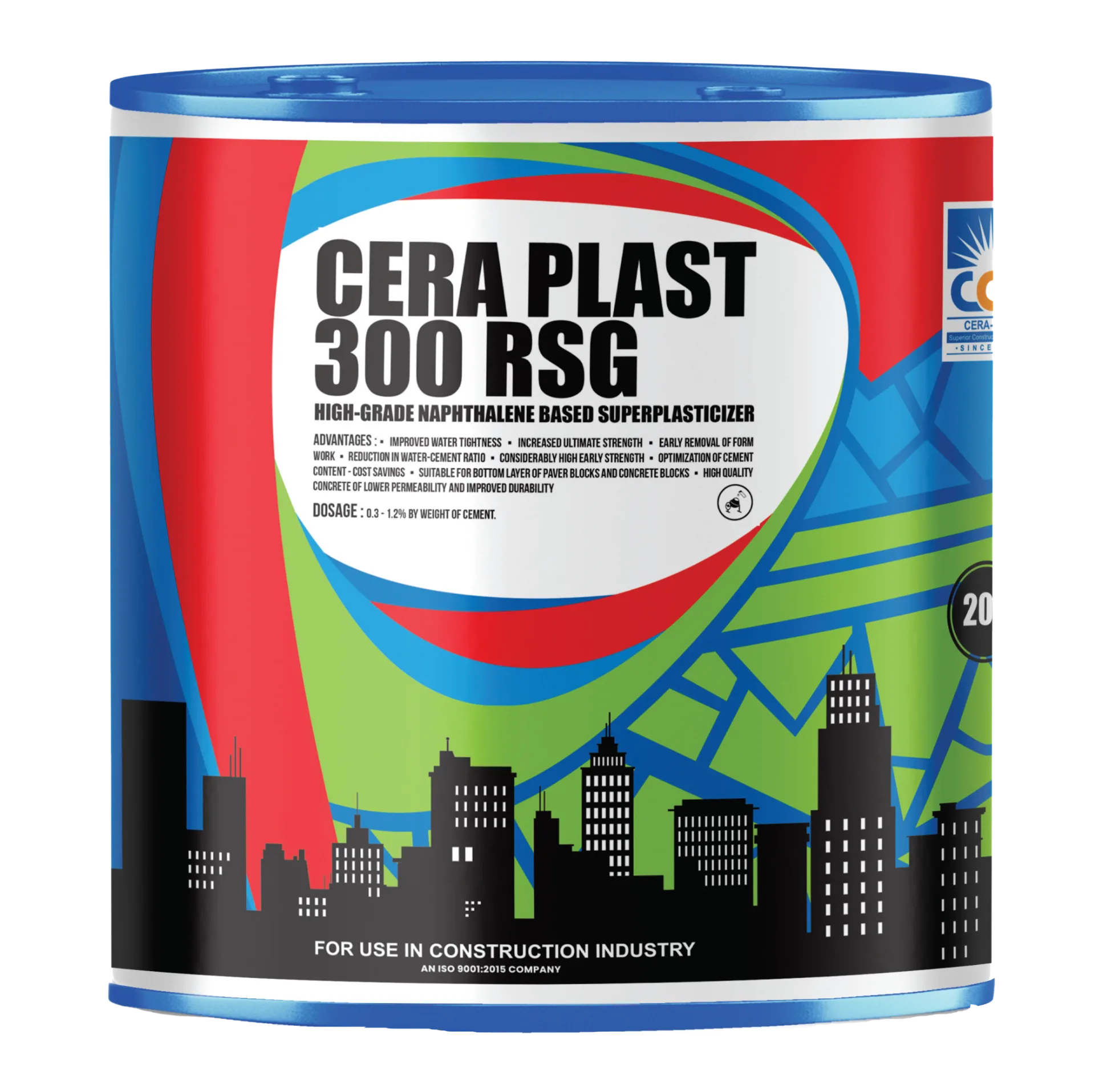 Cera Plast 300Concrete Admixtures₹1,000.00View product. Each one has its own purpose and dosage guidance, which is why the data sheet matters more than the product name. Add the admixture the way the data sheet describes, for example whether it goes into the mixing water or directly into the mix, and keep dosing consistent across all batches of the same pour.
Also avoid combining several admixtures in one batch just because they sit on the same shelf. Unless the manufacturer confirms compatibility, run them separately or ask for technical guidance first.
Why Repair Mortar Peels Off
If you have ever wondered why repair mortar peels off a few weeks after finishing, the answer is usually a mix of the mistakes above plus a few more. Work through this checklist:
- Poor bond to the substrate. Dust, laitance or an unprepared surface (see Mistake 1).
- Patch applied too thick in one go. Thick sections can slump or crack. Build up in layers if the data sheet allows.
- Dry substrate pulling water out. Very dry, absorbent concrete can suck water from the mortar and weaken the bond. Follow the data sheet on surface dampening.
- No curing. Fast drying in Indian summers or windy conditions leads to shrinkage cracks and poor strength development. Protect and cure the patch as the manufacturer advises.
- Wrong material for the defect. A fine crack filler is not a replacement for a proper repair mortar in a deep patch.
- Moisture still moving behind the repair. Active seepage or rising damp will push off any new surface layer.
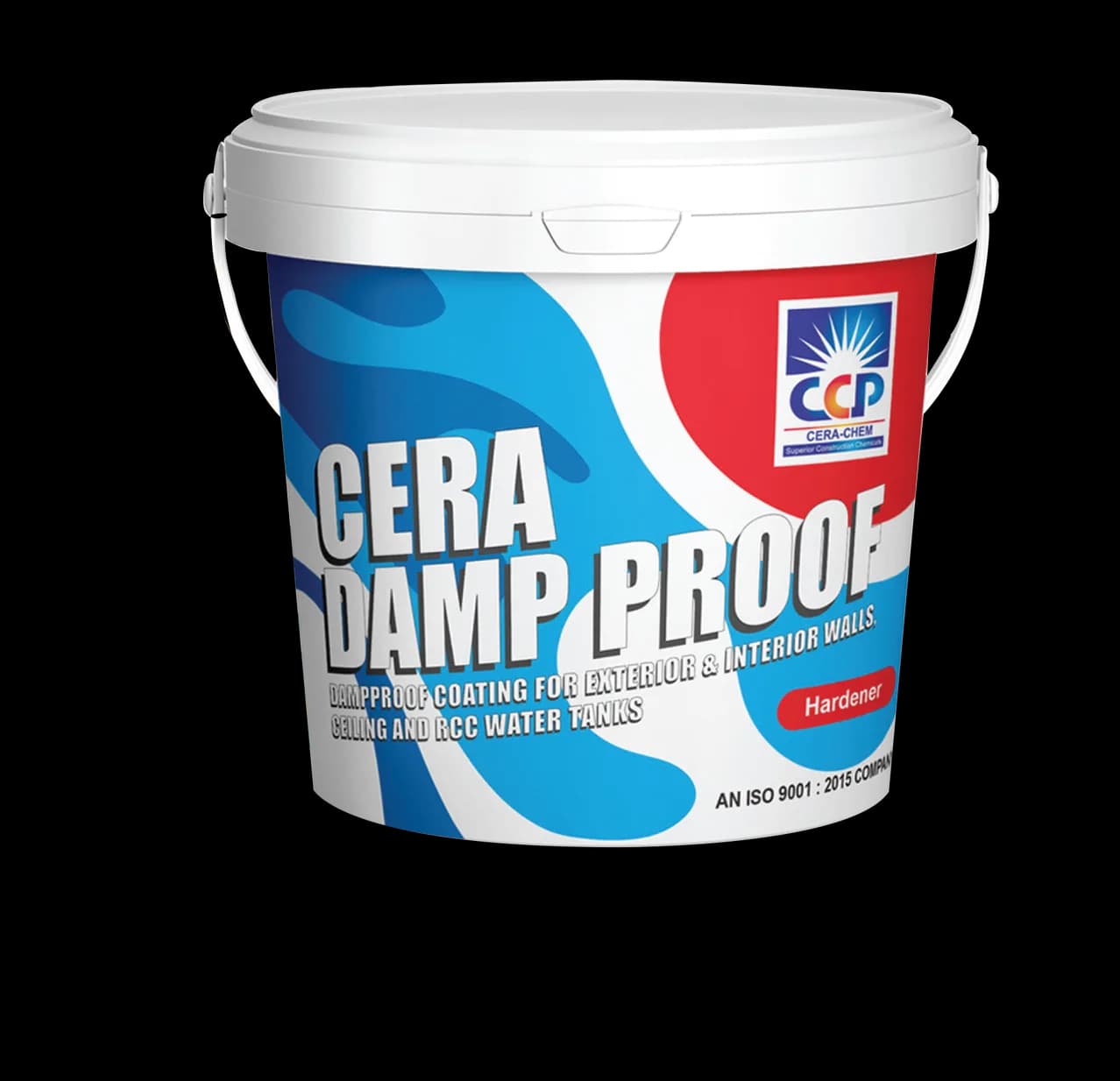
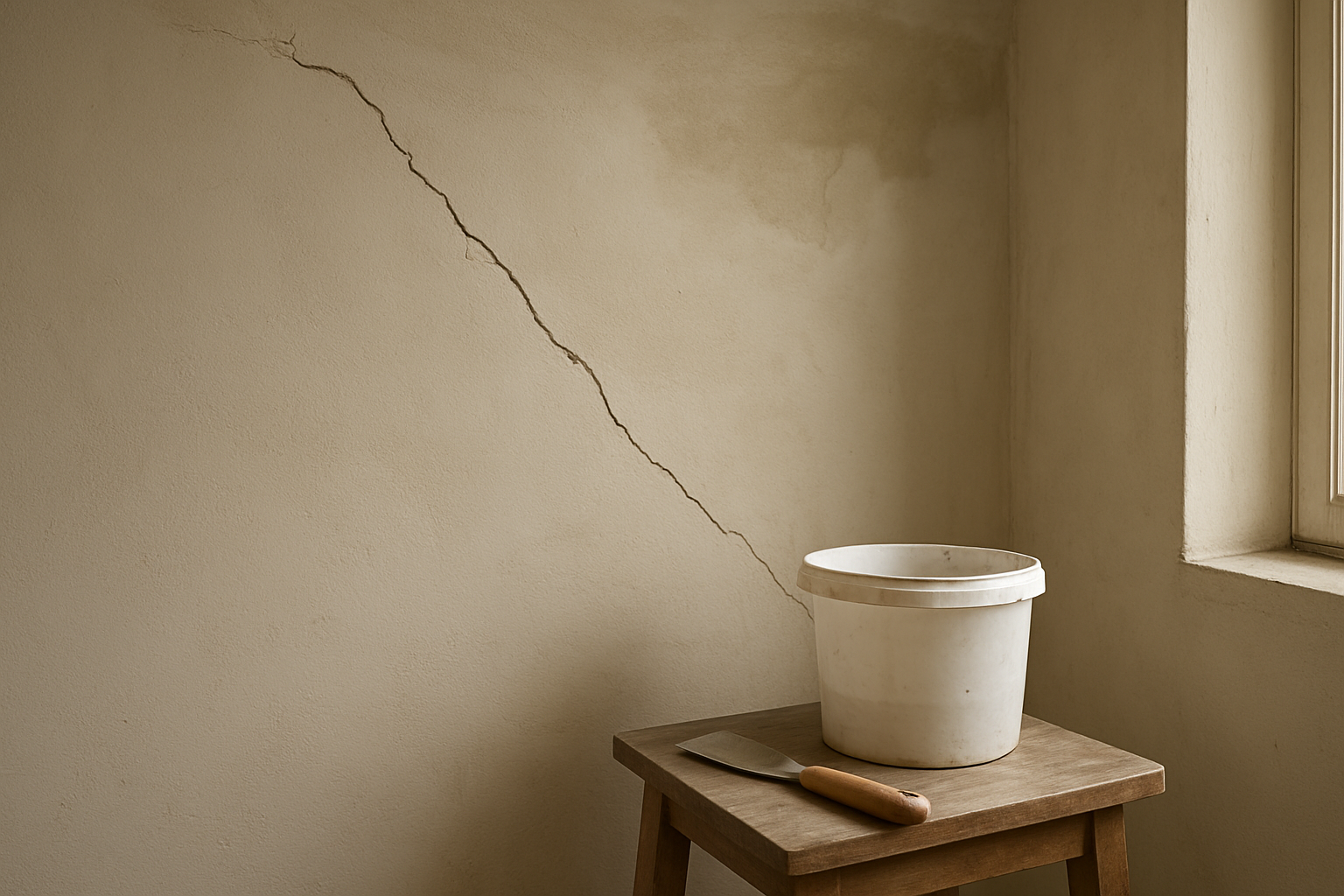
For surface repair work on damp-affected or cracked areas, products from the crack fillers and repair mortars category, such as 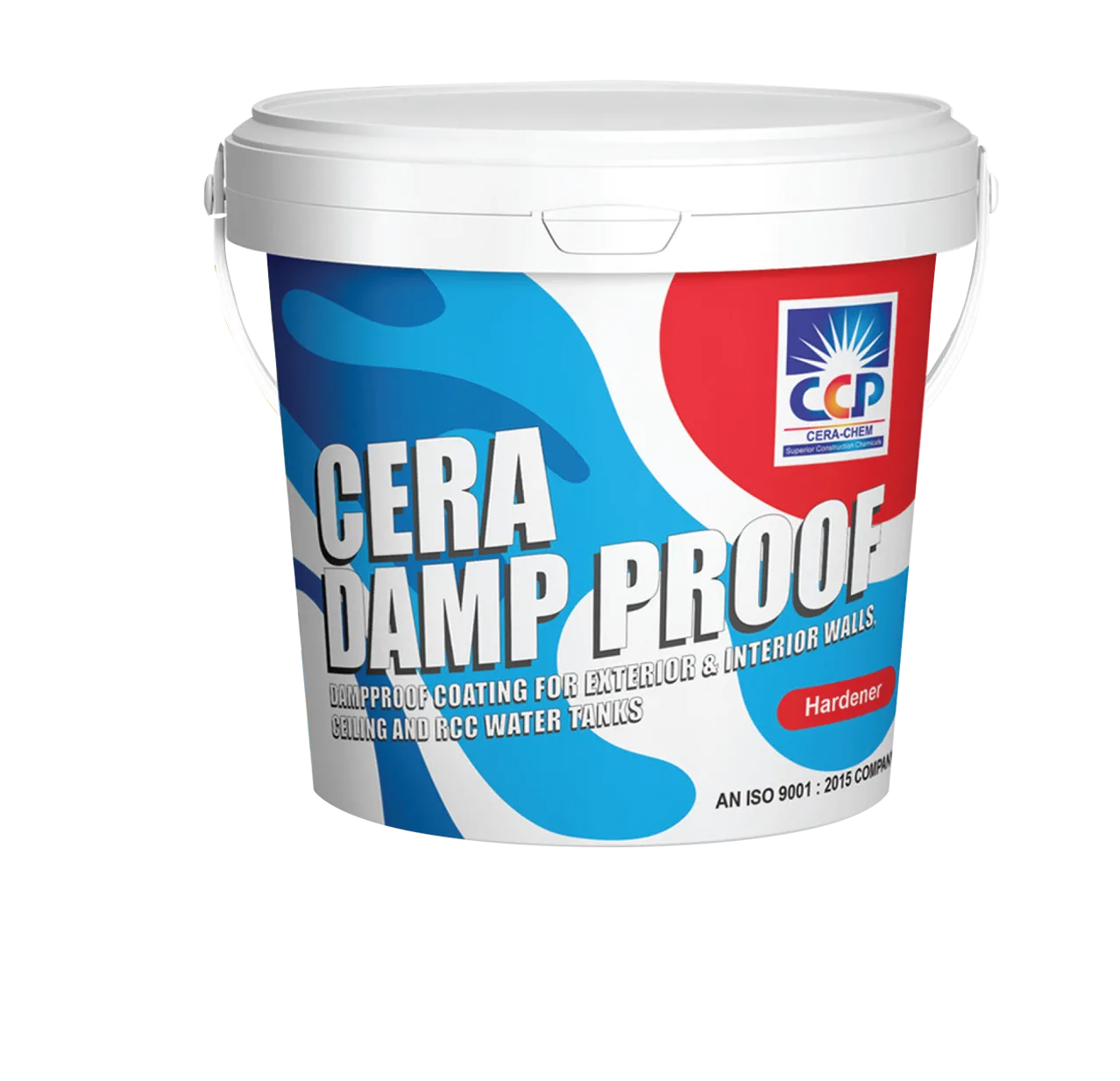 Cera Damproof 1KGCRACK FILLERS & REPAIR MORTARS₹700.00View product, are designed for that kind of job. Choose based on the defect type and read the data sheet before you start. Using a repair mortar correctly includes preparing the area, mixing as directed and curing it, not just filling the hole.
Practical Concrete Repair Tips and a Pre-Job Checklist
These concrete repair tips tie everything together. Bonding agents, SBR latex and admixtures work best as part of a sequence, not as separate quick fixes.
- Diagnose first. Find out whether the problem is a crack, leakage, corrosion or just surface wear. Fix the cause, then the symptom.
- Keep the data sheet at hand. Mix proportions, application windows and curing guidance should come from the official sheet for that exact product, not from memory or a dealer's rough advice.
- Do a small trial patch. Especially when you are using a new product combination or working on an unusual substrate.
- Measure everything. Use graduated containers for latex, water and admixtures. Avoid eyeballing.
- Mix in the right order. Add liquids and powders in the sequence the data sheet recommends, and mix to a uniform consistency.
- Do not stack products blindly. A bonding agent, latex-modified mortar and an admixture can each be valid, but not every combination is recommended together. Check compatibility.
- Cure properly. Protect the repair from rapid drying, direct sun and wind.
- Follow safety information. Read the product safety data sheet and use the protective equipment it lists.
- Record what you did. Note batch, proportions and weather. If something goes wrong, you will know where to look.
Conclusion
Most SBR latex mistakes, bonding agent errors and admixture dosage problems come down to the same habits: rushing surface preparation, guessing quantities and skipping the data sheet. Fix those three habits and you remove most of the reasons repair mortar peels off. Match the product to the defect, measure carefully, cure the work and when in doubt, check the manufacturer's technical information or ask a qualified engineer for guidance on structural concerns.