On this page
Anyone who has patched a broken slab or re-plastered a wall knows the frustration of new material peeling away from the old surface. A good bonding agent for concrete is meant to prevent exactly that. This guide explains in simple terms what bonding agents and SBR latex are, where they are used, and how to choose the right one for your job.
What a bonding agent for concrete actually does
Fresh cement mortar or concrete does not automatically stick well to hardened concrete. The old surface is often smooth, dusty, dry and absorbs water from the new layer, which weakens the joint. A bonding agent is a thin coat or additive that helps the new layer grip the old one, so the two behave as one piece rather than separate layers.
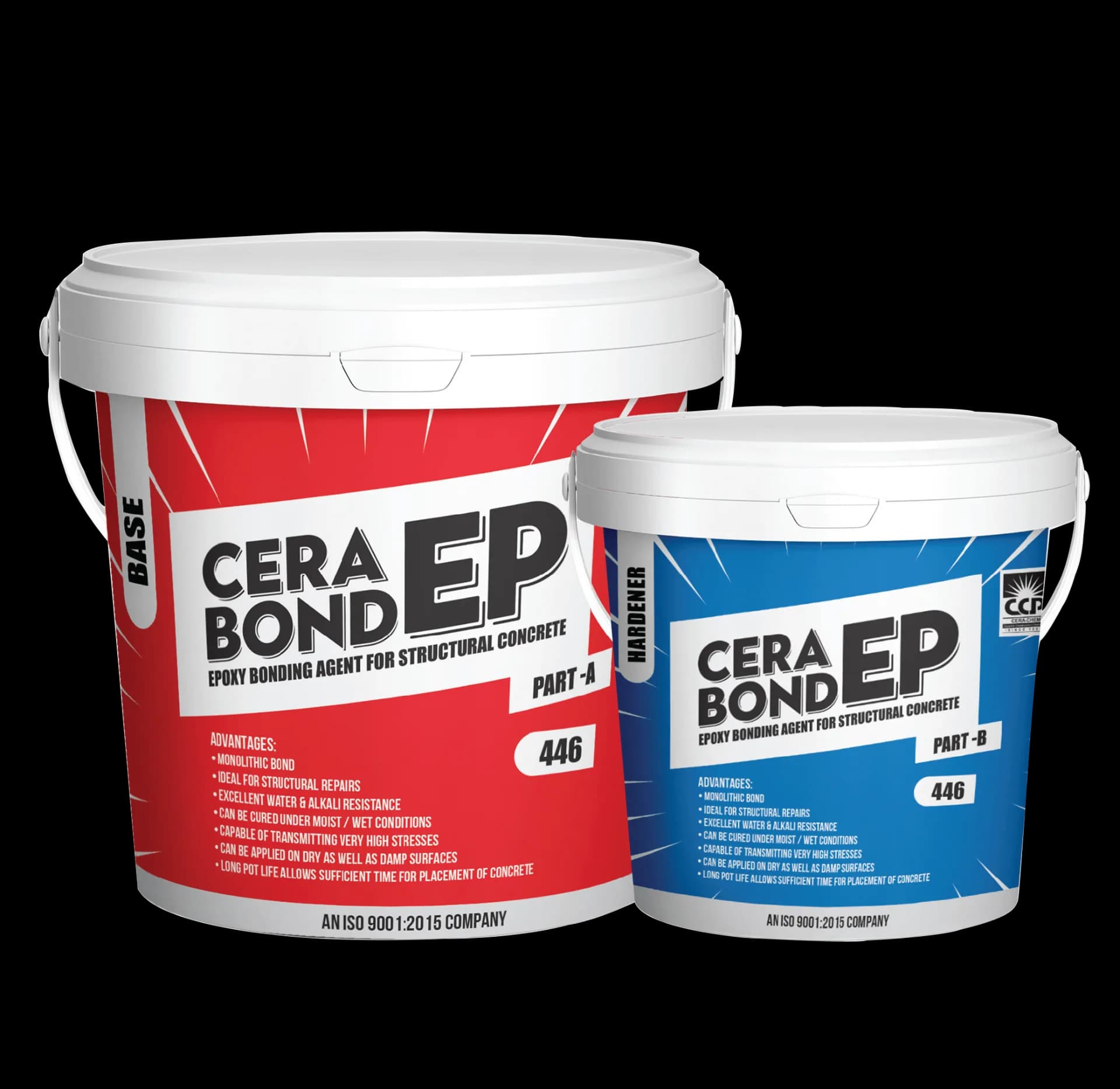
You will see products described in different ways: bonding agents, SBR bonding agents, latex additives and polymer emulsions. The range overlaps a lot, which is why the store groups many of them under bonding agents & SBR latex. For example,  Cera Bond EP 1KGBONDING AGENTS & SBR LATEX₹1,200.00View product is listed in that category. Always read the technical data sheet to confirm how a particular product is meant to be used, because methods differ from one product to another.
Where bonding problems usually appear
- Patch repairs on beams, columns and slabs
- New screed or topping over an old floor
- Plaster over smooth concrete ceilings and walls
- Widening or extending an existing structure with new concrete
SBR latex uses: what it is and why it is added
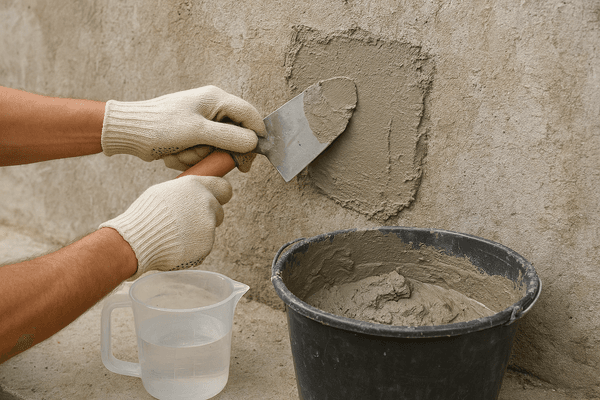
SBR stands for styrene butadiene rubber. SBR latex is a milky polymer liquid that is usually mixed with cement and sand, or brushed on as a coat. Once it dries within the cementitious layer, the polymer typically improves adhesion and adds some flexibility, and it can help reduce water absorption of the mortar.
Common SBR latex uses on Indian sites include:
- Bond coats between old and new concrete
- Polymer-modified repair mortars for small patches
- Improving adhesion of plaster and screed on difficult surfaces
- Slurry coats on surfaces such as bathroom sunken slabs, as part of a waterproofing system
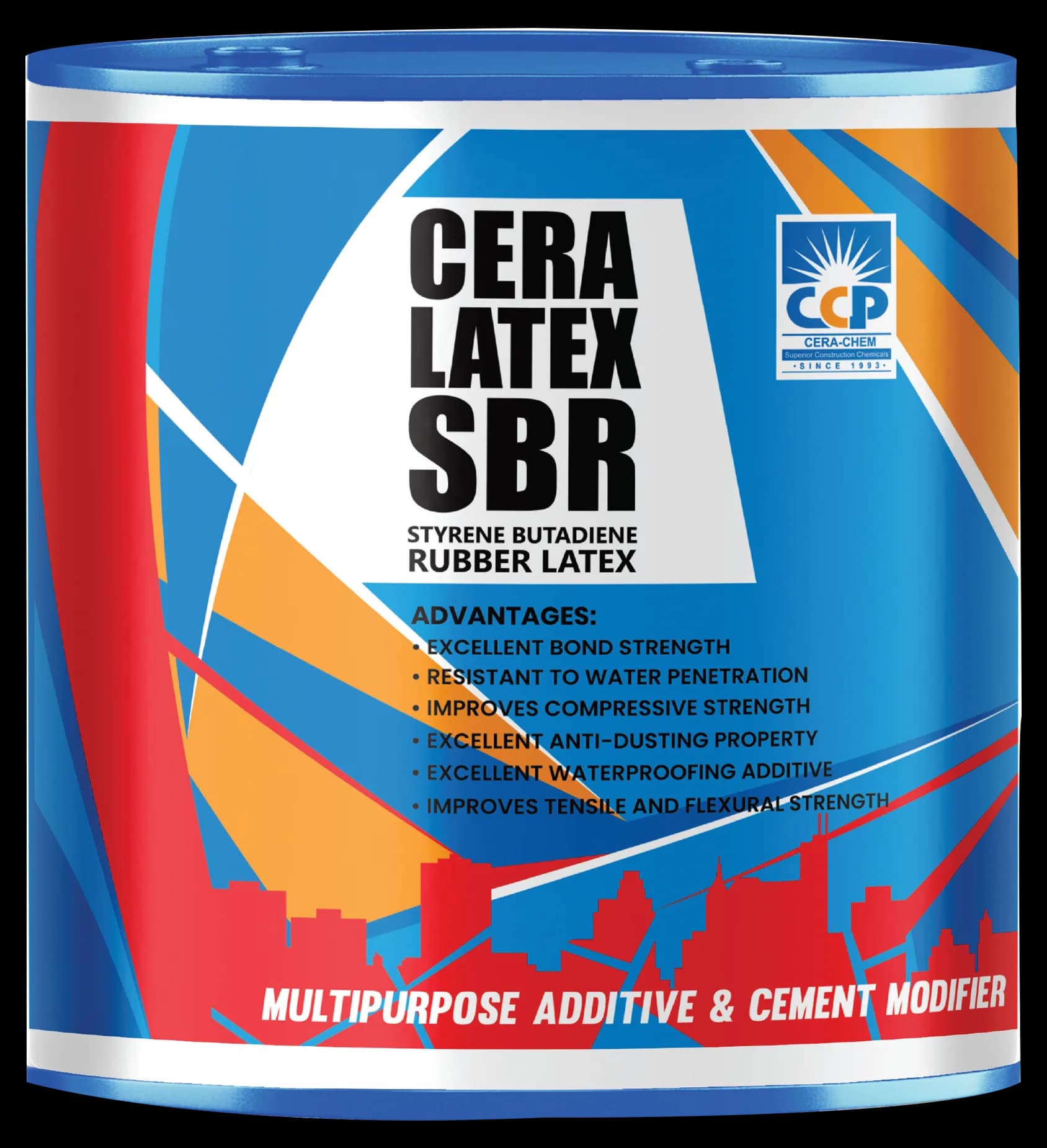
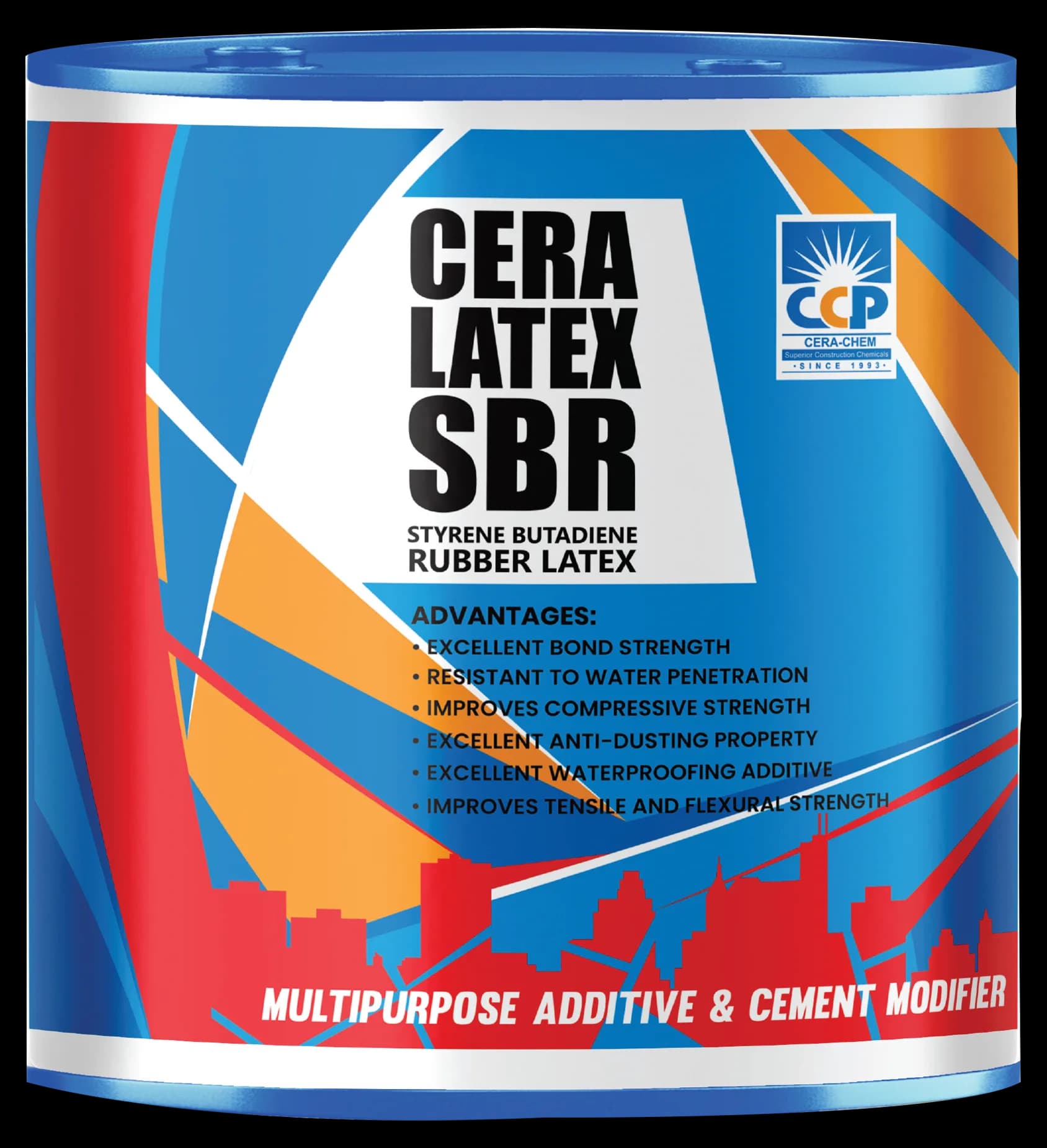
A product like  Cera Latex SBRSBR Latex₹600.00View product falls in the SBR latex category and is the kind of material used for these jobs. Dosage, dilution and mixing method must come from the official data sheet. Please do not rely on a thumb rule from a neighbouring site, as the right quantity depends on the product and the application.
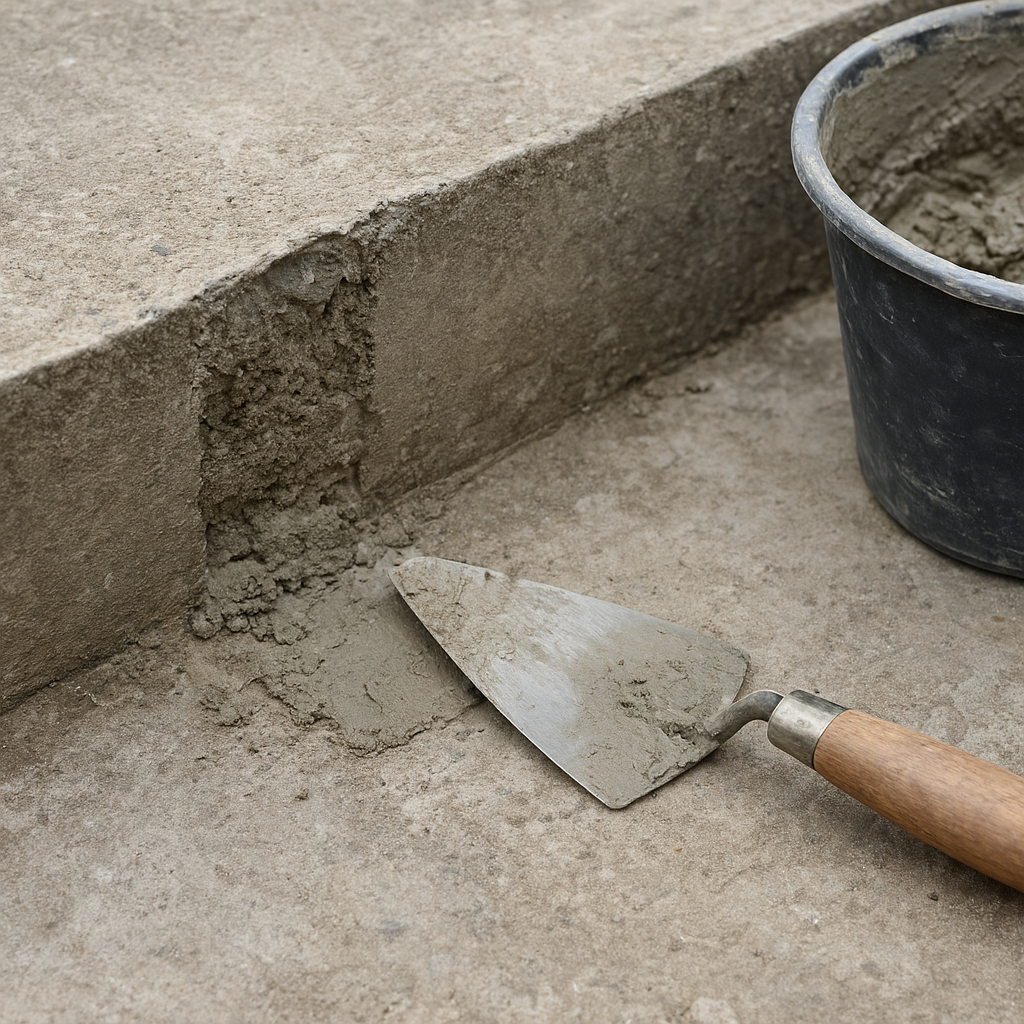
Old to new concrete bonding with an SBR bonding agent
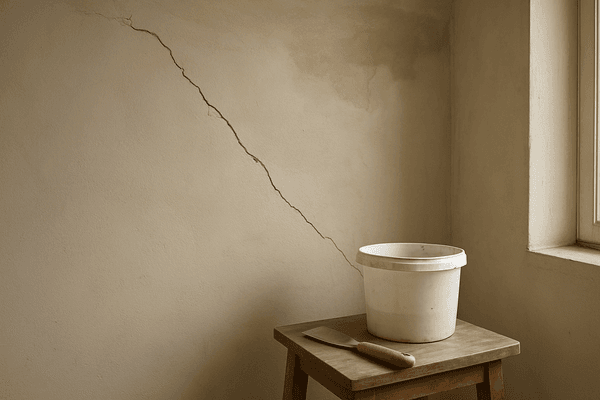
Old to new concrete bonding is the most common reason people look for an SBR bonding agent. Think of a cracked balcony edge where the damaged concrete has been chipped out and needs a repair mortar. The new mortar must bond firmly to the old base, or it will sound hollow and eventually come off.
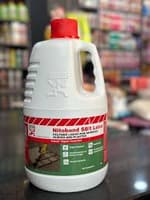 Nitobond SBRSBR Bonding Agent₹650.00View product is listed as an SBR bonding agent. A typical working approach for this kind of job looks like this, but your product data sheet always overrides general advice:
- Remove weak concrete. Chip out loose, cracked or delaminated material until you reach sound concrete.
- Treat exposed steel. If reinforcement is rusted, clean it and apply a suitable rust treatment before repairing.
- Clean the surface. Remove dust, oil, paint, loose particles and laitance (the weak surface film on concrete).
- Roughen if needed. A rough surface gives a better mechanical grip.
- Prepare the substrate. Many products ask for a clean, damp but not wet surface. Check what your data sheet says.
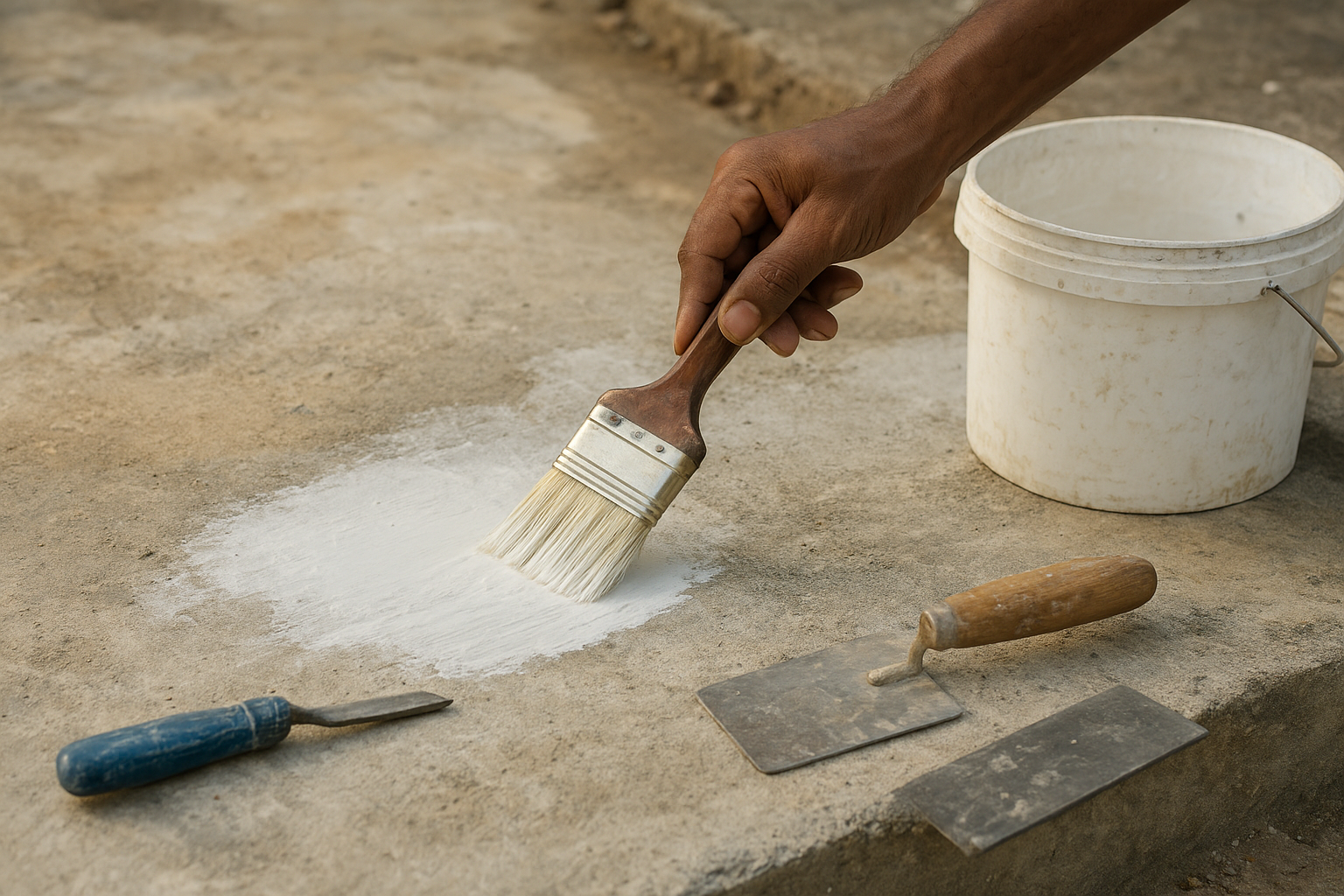
- Apply the bond coat. Use a brush and cover the whole surface without gaps.
- Place the repair layer in time. The data sheet will specify how soon the mortar must follow the bond coat.
- Cure properly. Keep the repair protected from rapid drying so it can gain strength.
Polymer latex for plaster and where additives fit
Plaster often fails on smooth concrete, on mixed surfaces such as brick meeting concrete, and on previously painted walls. Using polymer latex for plaster is one way to improve adhesion and reduce hollow spots in those problem areas. Some latex products are intended mainly as bonding aids, and others are meant to improve the water resistance of mortar.
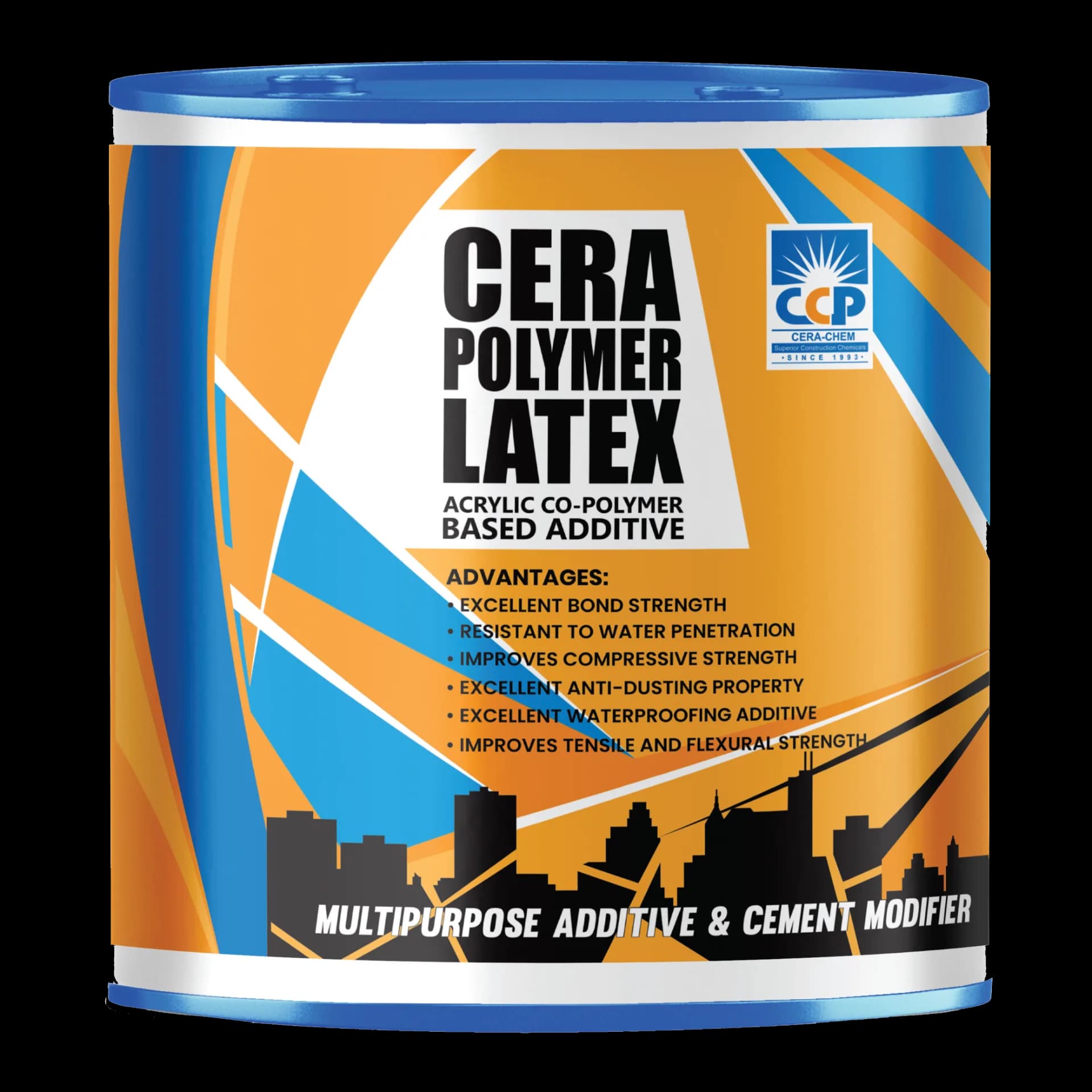
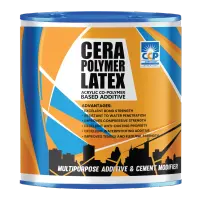 Cera Polymer LatexWaterproofing Additive₹600.00View product is listed as a waterproofing additive, so its role is more about making the cement mix more water resistant than acting purely as a bond coat. Both purposes can overlap, but they are not always the same. If you need both adhesion and water resistance, read each data sheet carefully and ask the supplier or manufacturer which product suits your situation.
Quick comparison
| Need | What to look for |
|---|---|
| Bond new concrete to old concrete | SBR bonding agent or bonding agent for concrete |
| Improve plaster or screed adhesion | SBR latex or polymer latex, as per data sheet |
| Make a cement mix more water resistant | Waterproofing additive or polymer latex |
| Fix tiles | Tile adhesive, not a bonding agent |
How to choose and mistakes to avoid
Choosing between products becomes easier if you answer three questions: What is the base surface? What is going on top? Will the area be exposed to water, sun or movement? Then compare these answers with the intended use written on the data sheet.
Practical tips
- Match the product to the job. A bond coat, a latex admixture and a waterproofing additive are not interchangeable by default.
- Never skip surface preparation. No bonding agent can fix a dusty, oily or crumbling base.
- Follow the data sheet for dosage and timing. Over-diluting or waiting too long can undermine the bond.
- Use clean water and measured quantities. Guesswork leads to inconsistent results from batch to batch.
- Do a small trial patch if you are using a new product or an unusual surface.
- Follow the safety data sheet for handling, gloves and ventilation.
- Cure the repair. Fresh patches that dry too fast can crack even with good bonding.
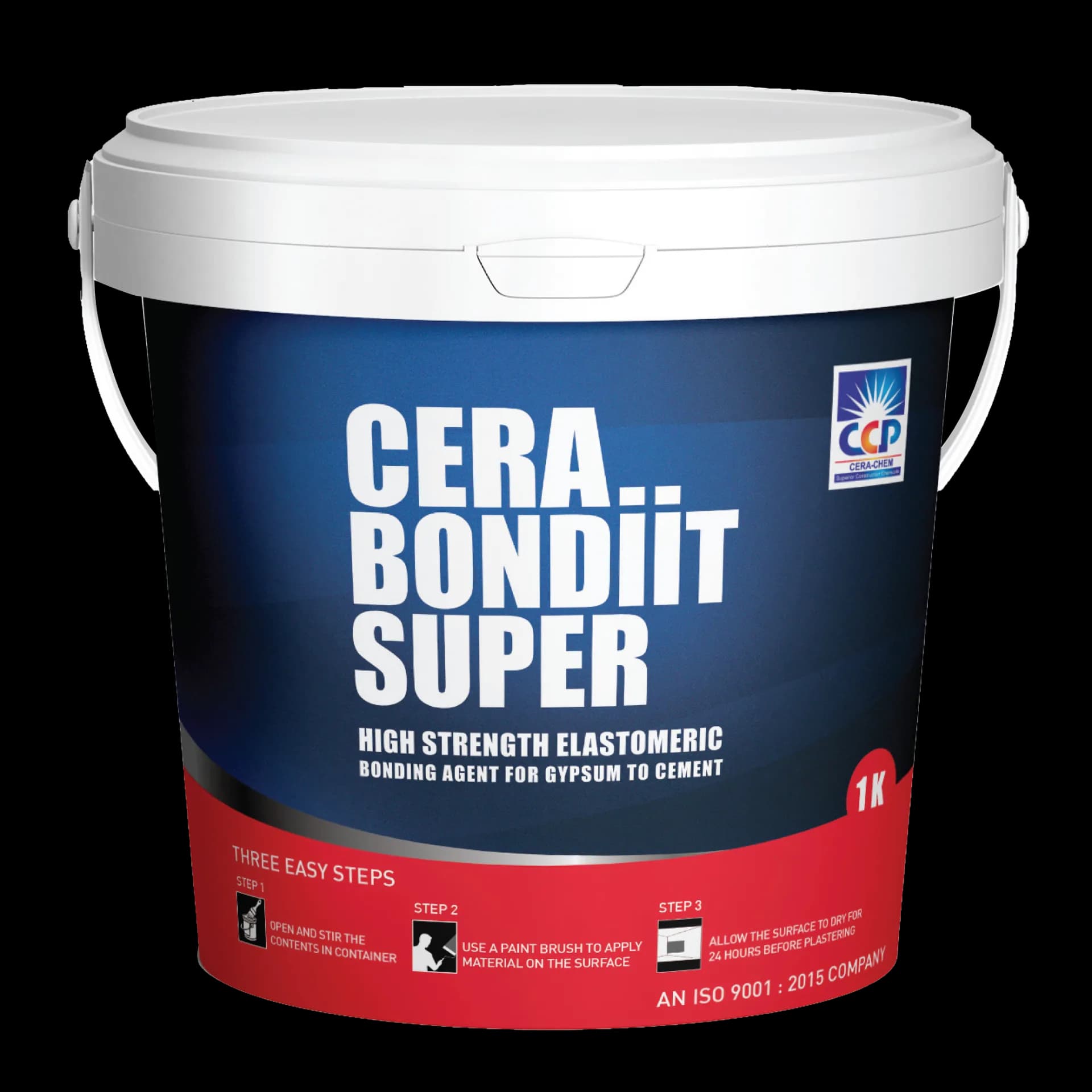
One more common confusion: a bonding agent is not a replacement for tile adhesive. When you fix tiles, a purpose-made tile adhesive such as 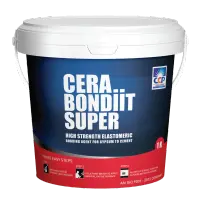 Cera Bondiit Super 20KGTILE ADHESIVES₹4,393.00View product (listed under tile adhesives) is the right category to consider, and the bond coat or latex stays for concrete, plaster and repair work.
For structural cracks, deep deterioration or load-bearing concerns, involve a qualified structural engineer before choosing any repair material.
Conclusion
A bonding agent for concrete helps new material stay attached to old material, and SBR latex is one of the most versatile polymer additives for bonding, repair mortars and plaster. Start with a sound, clean surface, pick the product that matches your task, and follow the manufacturer's data sheet closely. With that approach, patches, toppings and plaster layers have a far better chance of staying firmly in place.